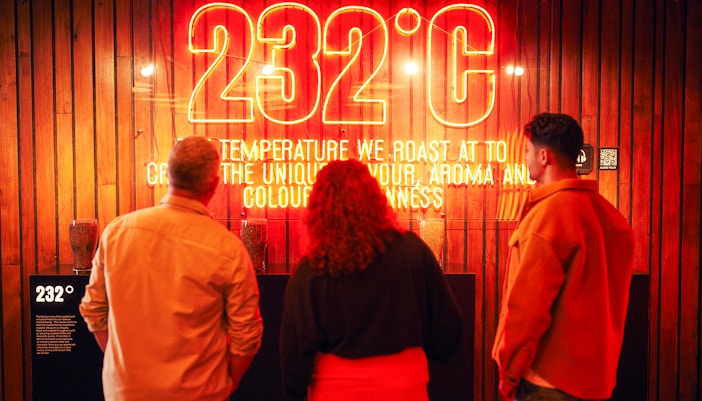
Plan for 1.5 to 2.5 hours to explore the full experience. Most visitors spend around 2 hours, with additional time at the tasting area and Gravity Bar if they choose to linger.
Did you know?
The Guinness Storehouse building is ingeniously designed in the shape of a giant pint glass, and if filled, it would hold 14.3 million pints of Guinness.
Arthur Guinness famously signed a 9,000-year lease for the St. James’s Gate Brewery in 1759 and that document is still on display at the Storehouse.
A speakeasy-style secret entrance leads to the Connoisseur Experience bar, offering experimental brews unavailable elsewhere, with videos prohibited to maintain an intimate atmosphere.
Is the Guinness Storehouse worth visiting?
There’s a moment when you step inside the Guinness Storehouse, and the air itself seems to change—warm, slightly malty, and alive with the scent of roasted barley. The building unfolds vertically like a story in motion, each level revealing a different layer of brewing heritage, design, and Dublin character.
It was built inside the original fermentation plant of St. James’s Gate, not as a museum of nostalgia, but as a way to show how one drink became part of Ireland’s identity. Every space is designed to pull you through that journey—from raw ingredients to the iconic pint at the top.
The emotional payoff comes at Gravity Bar, where Dublin spreads out in every direction, and the story you’ve just walked through feels suddenly bigger than the building itself. It’s not just about beer—it's about place, craft, and belonging.
Skip it if you’re not interested in immersive indoor attractions or prefer open-air historical sites over structured, multi-level experiences.
What to see at the Guinness Storehouse
1/6
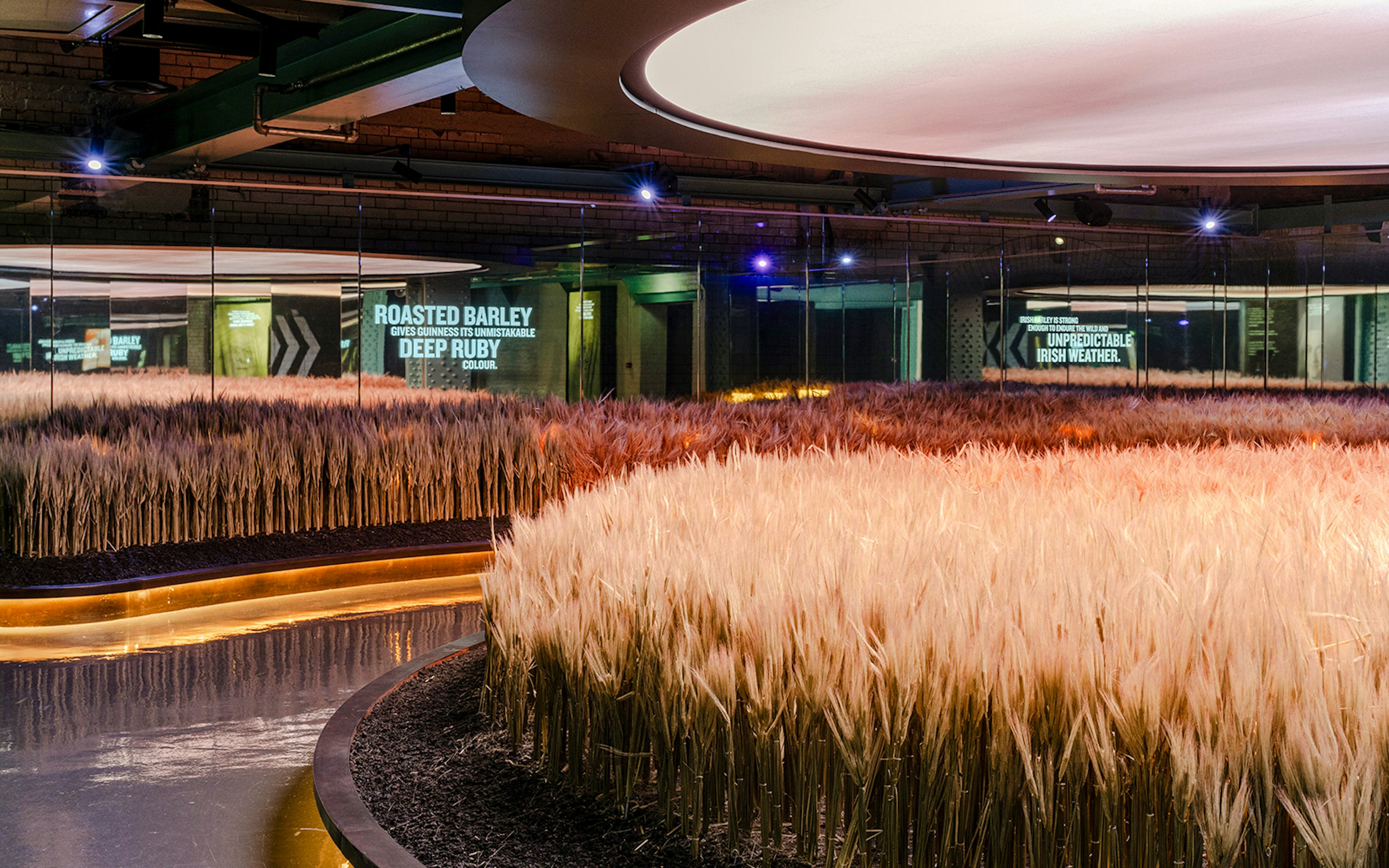
Ingredients experience
The journey begins with the four key ingredients of Guinness — water, barley, hops, and yeast. This immersive introduction explains how each element defines the flavour and identity of the stout, setting up the story of the brewing process.
Brewing process exhibits
Across multiple floors, interactive installations explain how Guinness is brewed, fermented, and matured at St. James’s Gate. Large-scale visuals and working models show the transformation from raw ingredients to finished stout in a highly visual way.
Transport and export story
This area explores how Guinness grew into a global drink, with exhibits focused on transportation, distribution, and the systems that helped export it from Dublin worldwide. It’s often a quieter section but adds important context to the brand’s growth.
Advertising archive
This is one of the most popular sections in the building. Here, decades of iconic Guinness advertising are displayed, from classic print campaigns to modern branding. Many visitors spend extra time here revisiting familiar slogans and visual storytelling.
Tasting experience
A guided tasting area introduces the aroma, texture, and flavour profile of Guinness in a structured sensory setting. It’s a short stop but an important moment before the final experience, helping visitors understand how to appreciate the stout fully.
Gravity Bar
The Gravity Bar is the final stop and the most in-demand space in the entire storehouse. Floor-to-ceiling glass offers 360-degree views over Dublin. Most visitors linger here the longest, enjoying their included pint while taking in the city skyline and atmosphere.
How to explore the Guinness Storehouse
Time needed
Suggested route
Start with the ingredient story of water, barley, hops, and yeast, introducing the foundation of Guinness. Continue through the brewing exhibits, which explain fermentation and production at St. James’s Gate. Move on to the transport and export story, followed by the popular advertising archive. Finish with the tasting experience before heading up to Gravity Bar for panoramic views over Dublin.
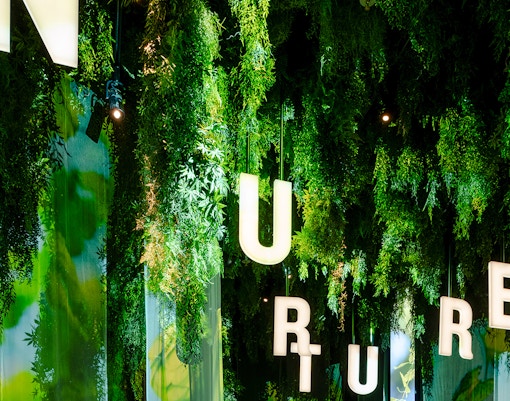
Must-see
Brewing process exhibits, advertising archive, Gravity Bar.
Optional: Transport and export history displays, which provide useful context but can be explored more quickly if you're short on time.

Guided vs. self-paced
The experience is primarily self-guided, with multilingual audio guides available on selected tickets for added context. Some ticket options may also include a guided tour element, which provides deeper storytelling and expert insights, while standard entry is designed for independent exploration through interactive exhibits.
Brief history of the Guinness Storehouse
- 1759: Arthur Guinness signs a 9,000-year lease at St. James’s Gate in Dublin, establishing the foundation of what becomes the Guinness brewery site.
- 19th century: The St. James’s Gate brewery expands significantly as Guinness grows into one of the world’s largest and most influential brewing operations.
- Early 20th century: The building that now forms the Guinness Storehouse becomes part of the wider St. James’s Gate brewery complex.
- 20th century: Guinness continues to develop as a global brand, with St. James’s Gate remaining central to production and international distribution.
- 2000: The Guinness Storehouse opens as a visitor experience, created to share the story of Guinness, its brewing heritage, and its global reach.
- Today: The Guinness Storehouse stands as one of Dublin’s most visited attractions, showcasing the history and cultural impact of Guinness, with the Gravity Bar as a key feature of the experience.
Architecture of the Guinness Storehouse
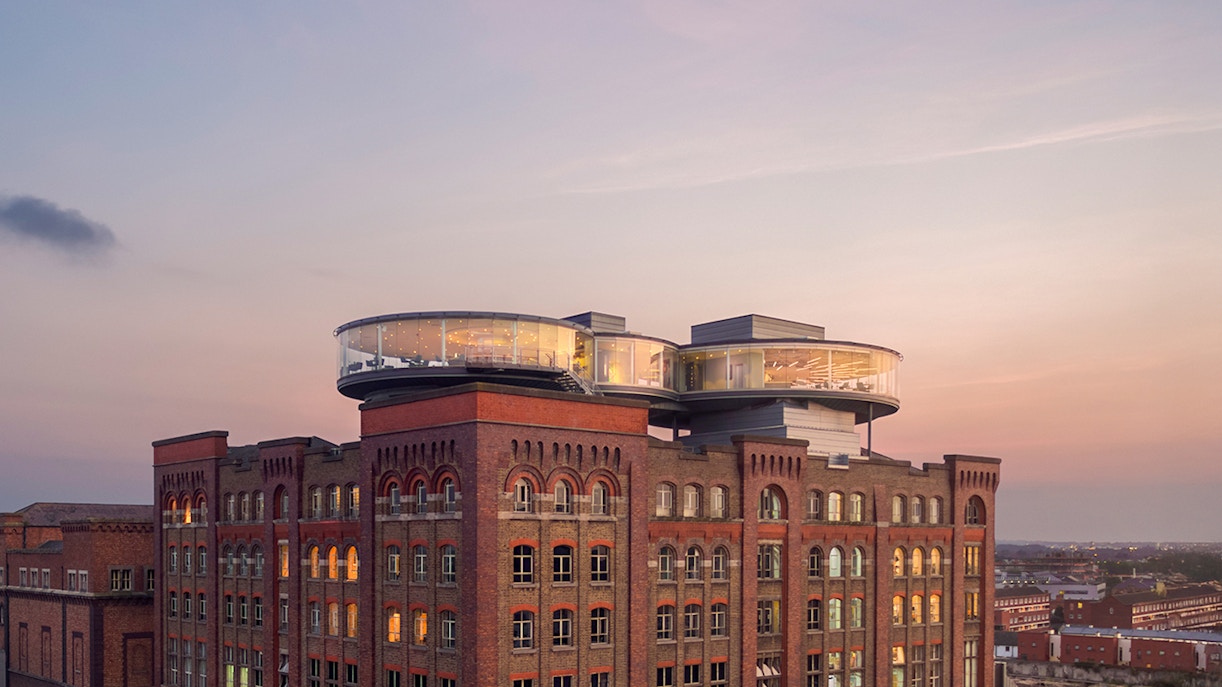
- Style: Early 20th-century industrial architecture within the St. James’s Gate brewery complex in Dublin.
- Materials: Constructed using brick, stone, and steel, consistent with industrial brewery buildings of the period.
- Structure: A multi-story former brewery building later adapted into a visitor experience, organised across several levels that guide the visitor journey.
- Experiential detail: The building has been converted into a vertical exhibition space that culminates at Gravity Bar, which offers panoramic views over Dublin.
Who built the Guinness Storehouse?
The Guinness Storehouse was built by Arthur Guinness, Son & Co. Ltd. as part of a major expansion of the St. James’s Gate Brewery in the early 20th century. Rather than being designed by a single named architect or external construction firm, it was constructed using the brewery’s own in-house engineering and building teams, which regularly developed and expanded industrial facilities across the site.
The structure was originally purpose-built as a fermentation and storage facility to support Guinness’s growing production needs. It remained in industrial use for decades before being redeveloped and transformed into the visitor experience that opened in 2000.
Frequently asked questions about the Guinness Storehouse
Yes, especially if you enjoy interactive storytelling and cultural experiences. The Guinness Storehouse blends history, brewing heritage, and immersive exhibits, ending with views from Gravity Bar over Dublin. It is one of the city’s most visited attractions and works well for first-time visitors.
Most visitors spend around 1.5 to 2.5 hours exploring the seven floors at a relaxed pace. If you stop for tastings, exhibitions, and Gravity Bar views, it can extend closer to 3 hours, especially during peak afternoon periods.
The Gravity Bar is the highlight, offering 360-degree views of Dublin with a complimentary pint or tasting option. The brewing story exhibits and the tasting rooms also provide key insight into Guinness’s ingredients, heritage, and global legacy.
Yes, it is family-friendly with interactive exhibits and visual storytelling across multiple floors. Children may not participate in tastings, but the immersive displays and rooftop views make it engaging for all ages. Pushchairs and accessibility support are available throughout.
Early morning or late afternoon is best to avoid peak crowds, particularly around Gravity Bar. Weekdays tend to be quieter than weekends. Visiting closer to opening hours usually offers a smoother experience across the exhibition floors.
Yes, advance booking is strongly recommended, especially in summer and on weekends. Timed entry helps manage crowd flow and ensures entry at your preferred time slot. Walk-in availability is limited during peak visitor periods.