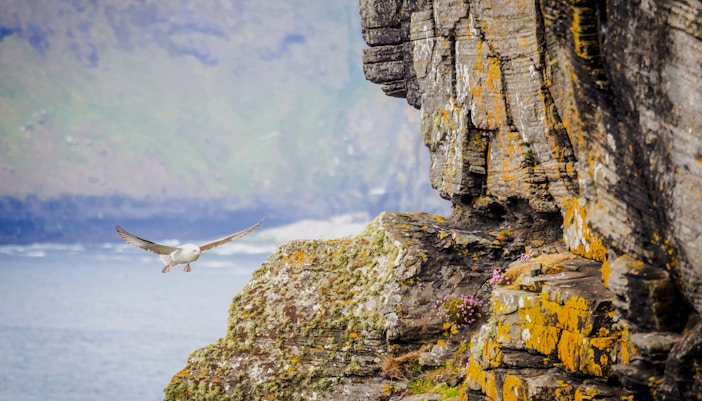
If available, join a 45-minute guided session near O’Brien’s Tower, where experts point out seabird colonies and share fascinating facts. Binoculars are available to borrow, making it perfect for families and beginner birdwatchers.
Cliffs of Moher Birds & Wildlife | Iconic seabirds, marine visitors & cliff-top creatures
At the Cliffs of Moher, most visitors come hoping to see seabirds up close, and that’s exactly what you get. The cliffs are home to one of Ireland’s largest bird colonies, so if you’re looking for Cliffs of Moher birds and wildlife, this is where it all comes together.
Puffins, guillemots, razorbills, and kittiwakes nest along the rock faces during breeding season, often in large, active groups. In the waters below, you might also spot seals or dolphins, though sightings here are less predictable. This guide breaks down what you’re likely to see, where to look, and when to visit for the best chances.
Meet the stars of Cliffs of Moher
1/7
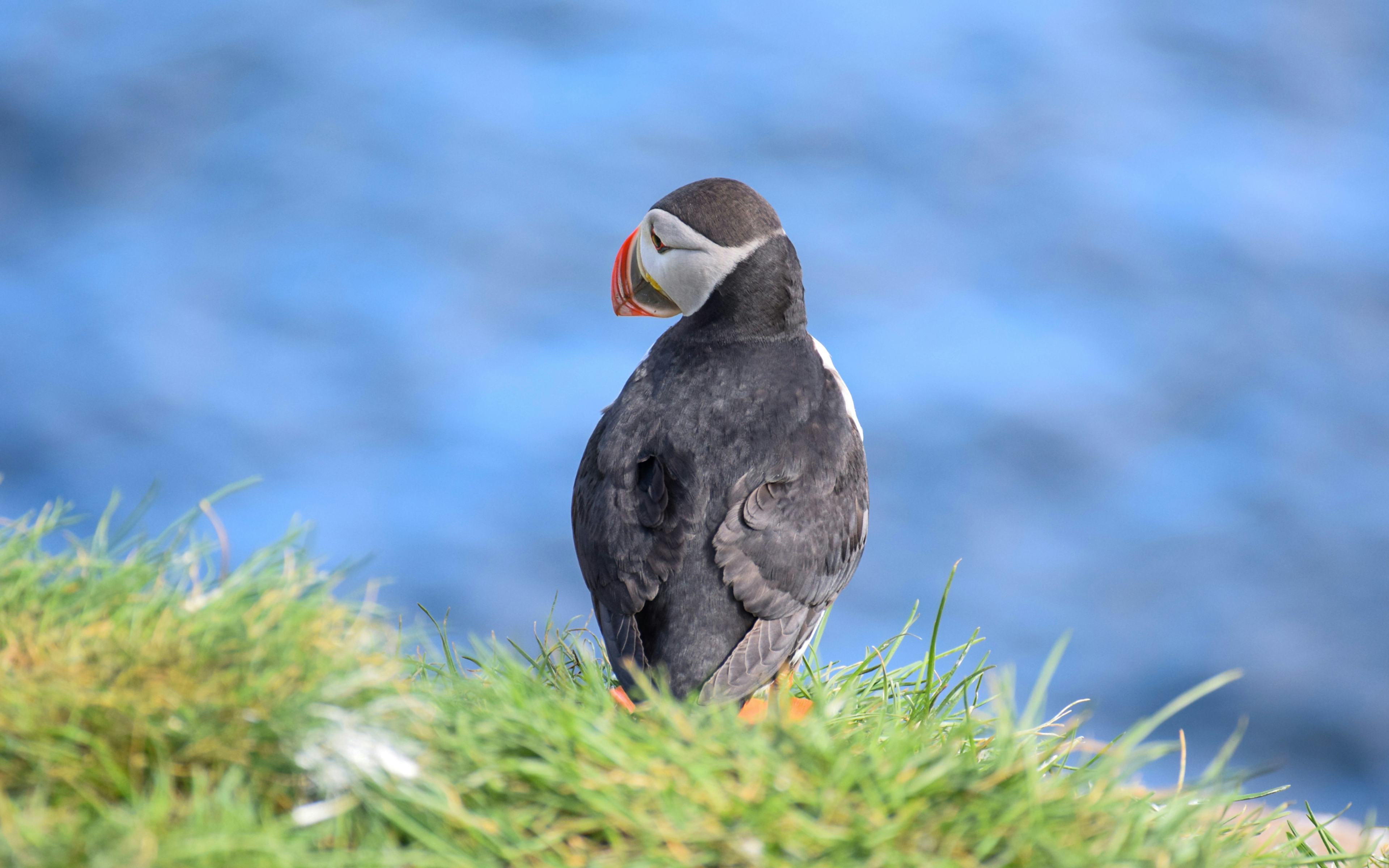
Atlantic Puffin
Bright-beaked and full of charm, these colourful seabirds are one of the cliffs’ biggest stars. They nest in burrows tucked into grassy slopes.
📍 Best spotted around the Goat Island area near the main viewing platform.
🐾 Fun Fact: The cliffs are home to Ireland’s largest puffin colony, with over a thousand adults nesting here every summer.
Razorbill
With glossy black feathers and a thick white-lined bill, razorbills are striking seabirds often seen perched on narrow cliff ledges.
📍 Found on the lower sections of sea stacks and steep rock faces.
🐾 Fun Fact: The cliffs host one of the largest razorbill colonies in all of Ireland.
Kittiwake
These small, graceful gull-like birds build their nests on the tiniest cliff ledges, creating a lively wall of sound during breeding season.
📍 Seen on upper cliff faces and the edges of tall sea stacks.
🐾 Fun Fact: The cliffs are among the top nesting spots for kittiwakes in the entire country.
Fulmar
Often mistaken for gulls, fulmars are actually relatives of the albatross. You’ll see them gliding effortlessly on sea breezes along the cliffs.
📍 Found all along the cliff faces and ledges year-round.
🐾 Fun Fact: This is Ireland’s second largest fulmar colony, with hundreds of pairs nesting on the ledges each year.
Peregrine Falcon
Fast, fierce, and graceful, peregrine falcons patrol the skies above the cliffs, often seen diving at incredible speeds in pursuit of prey.
📍 Look for them near remote cliff ledges or soaring high over the ocean.
🐾 Fun Fact: These falcons can reach speeds of over 240 km/h when hunting, making them the world’s fastest animals.
Grey Seal
Keep an eye on the shoreline below and you might spot these curious seals resting on rocks or bobbing in the waves.
📍 Commonly seen along the base of the cliffs and nearby rocky shores.
🐾 Fun Fact: The surrounding waters attract not only seals but also dolphins and even the occasional basking shark in warmer months.
Chough
A rare and beautiful bird with glossy black feathers, bright red legs, and a curved beak. Known for their acrobatic flight and playful calls.
📍 Seen on grassy slopes and fields just inland from the cliff edges.
🐾 Fun Fact: In Irish, its name means “red-legged jackdaw,” a nod to its distinctive colour and shape.
Unique experience and must-do activities at Cliffs of Moher
Bird-watching platform tour
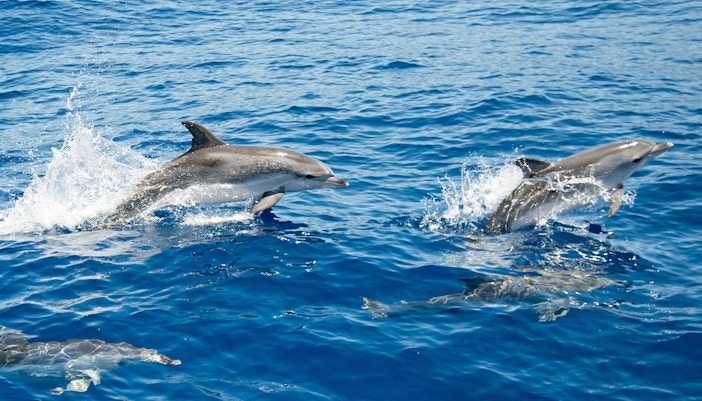
Sea-level cruise and marine-life spotting
Sail beneath the towering cliffs on a one-hour boat trip, where you might see seals lounging on rocks or dolphins and basking sharks gliding through the summer waters below.
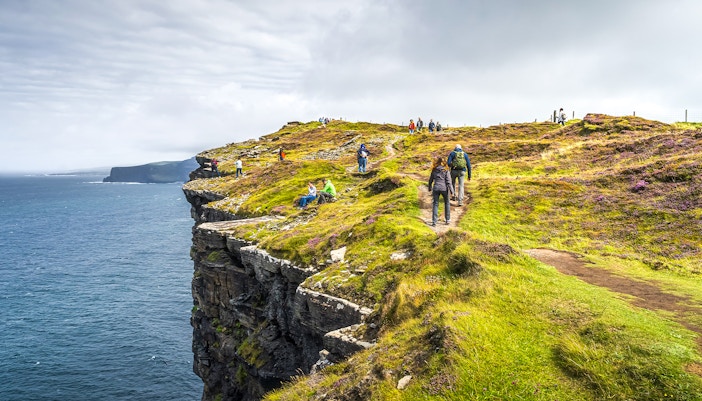
Cliff-top wildlife walk with audio guide
Take a peaceful two-kilometre self-guided walk along the cliffs with an audio guide that brings local birdlife, wildflowers, and coastal geology to life through short, easy-to-follow storytelling stops.
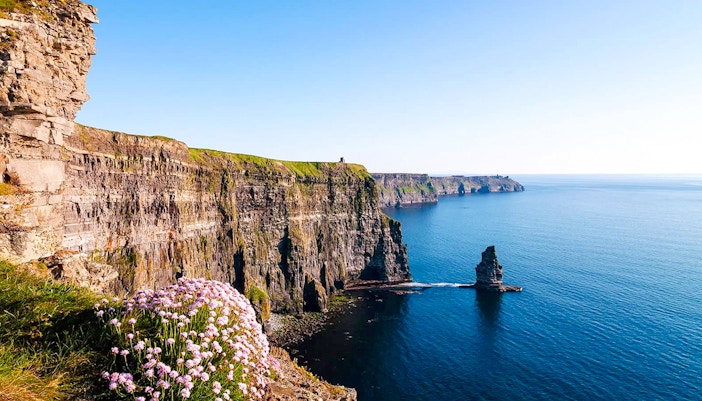
Photography hotspot session at sunrise
Book early-morning access to capture the cliffs in golden light. Watch seabirds take flight as the sun rises over the Atlantic—an unforgettable experience for any nature photographer.
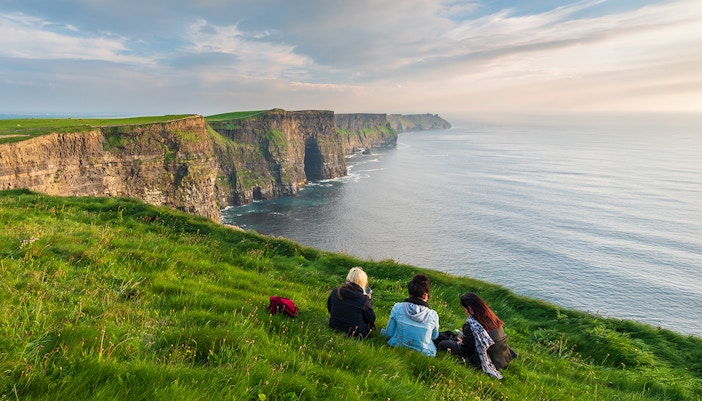
Junior explorer kids’ activity pack
Pick up a fun explorer pack at the Visitor Centre, complete with binoculars, puzzles, and nature clues. Kids can follow along the trails while learning about the cliffs’ wildlife and habitats.
Cliffs of Moher birds and wildlife: Where to spot them?
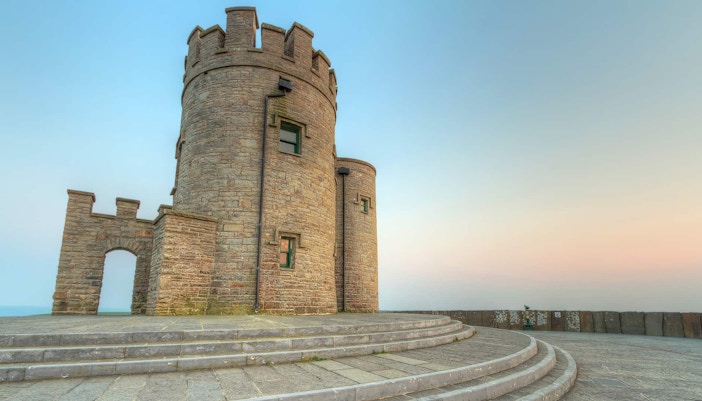
O’Brien’s Tower and nearby viewpoints
This is one of the busiest but most reliable spots for birdwatching. From here, you can look straight across nesting ledges where seabirds cluster, often flying at eye level, making it easier to observe their movement and behavior.
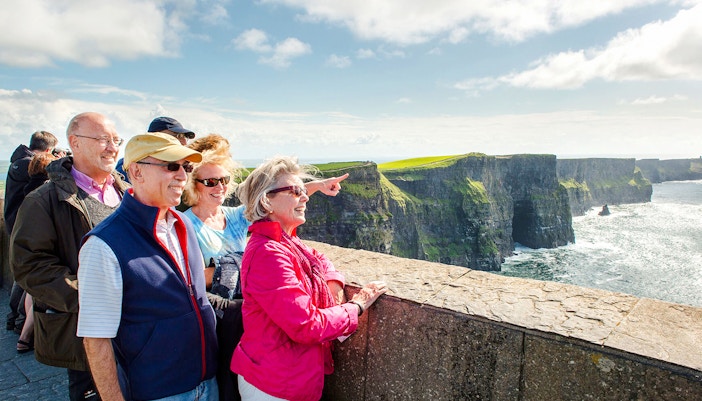
South Platform viewing area
Located near the main visitor centre, this area offers wide, open views of the cliff face. It’s ideal for spotting large groups of guillemots and razorbills resting on narrow ledges, especially during peak nesting months.
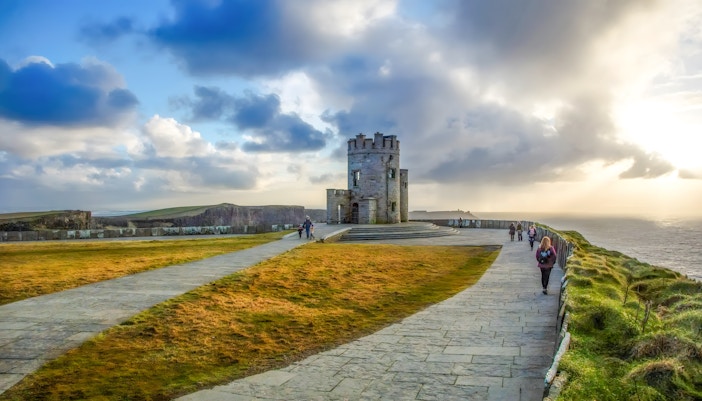
Clifftop walking trails
Walking along the marked paths gives you changing angles of the cliffs, which helps in spotting different species. Some sections are quieter, increasing your chances of seeing birds in flight or undisturbed along the rock edges.

Hag’s Head viewpoint
Further south and less crowded, this area feels more open and natural. It’s a good place to watch seabirds gliding along the cliffs and to take your time without the noise of larger crowds.
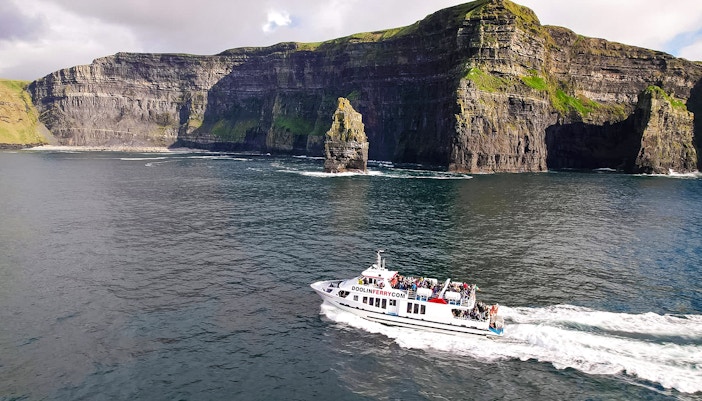
Below the cliffs on boat tours
Seeing the cliffs from the water gives a completely different perspective. You can look up at nesting colonies and sometimes spot seals resting near the base, along with seabirds diving into the sea.
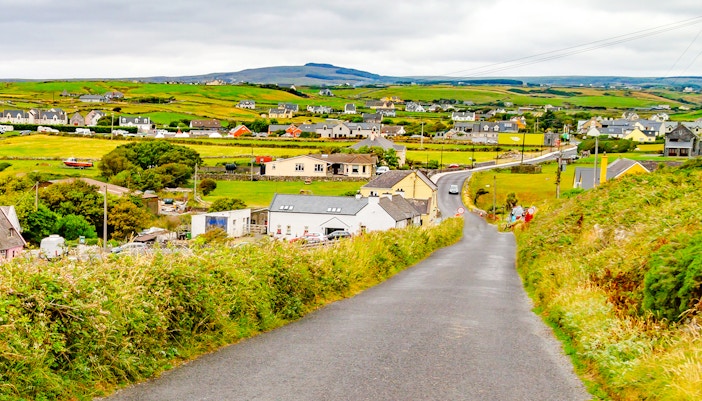
Doolin coastal area
Near the village of Doolin, the coastline offers additional viewpoints away from the main entrance. It’s a quieter stretch where you can watch birds along the cliffs and scan the water for marine life.
Best time to see Cliffs of Moher birds and wildlife
- Spring arrival: Between April and June, seabirds return to nest along the cliffs. Puffins become easier to spot, and colonies grow active with constant movement and calls.
- Early summer peak: May through July is the busiest nesting period, when cliffs are packed with birds. You’ll see feeding activity, chicks, and frequent flights between sea and nesting ledges.
- Morning hours: Early mornings offer calmer conditions and fewer crowds, making it easier to observe birds resting, flying, and interacting naturally without too much disturbance from visitors.
- Evening light: Late afternoon to sunset brings softer light and active bird movement. Seabirds often return from feeding trips, creating more visible flight patterns along the cliffs.
- Calm weather days: Clear skies and low wind improve visibility and bird activity. Rough weather can limit sightings, especially for smaller species that stay sheltered along the rock faces.
- Off-season visits: From late autumn to winter, bird numbers drop as many species migrate. However, you may still spot gulls, occasional seabirds, and marine life along the coast.
Visitor tips
- Best puffin-viewing months: Plan for May-June when Atlantic puffins are most visible and nesting near the summit ledges.
- Bring binoculars and zoom-lens: Many birds nest high up or far along the cliffs, and good optics make a huge difference in what you can see.
- Stay on marked paths: Cliff edges are unstable; safety is vital both for humans and nesting birds.
- Check tide & wave conditions: Marine-life spotting from sea-level is best when seas are calm and boat services running.
- Avoid drone use near nesting zones: Drones disturb bird colonies and may breach conservation regulations.
- Dress for wind and rain: Weather changes abruptly; wind can blow strongly across the cliff-tops even on sunny days.
Frequently Asked Questions about Cliffs of Moher wildlife
At the Cliffs of Moher, you can spot puffins, guillemots, razorbills, kittiwakes, gulls, plus occasional seals and dolphins in the Atlantic waters below.
Yes, puffins nest at the cliffs between April and July. They’re most commonly seen near quieter cliff sections, often perched or flying between sea and nesting spots.
Wildlife is best seen along cliff edges near viewing platforms, quieter walking trails, and from boat tours below, where you can observe nesting birds and marine activity.
Early mornings and late afternoons are best, when bird activity increases and lighting improves visibility, while crowds are thinner compared to busy midday visiting hours.
Yes, guided tours focused on birdlife and marine animals are offered through the Visitor Centre or local boat operators.
More than twenty seabird species nest here, along with land birds such as the twite, stonechat, and various migrating shorebirds.
Yes, the Visitor Centre and birdwatching staff often provide binoculars for visitors who wish to view the wildlife up close.
No, drone use is restricted near nesting areas because it can disturb birds and disrupt conservation efforts.
Yes, most seabirds leave by late summer, so winter visitors will see fewer nesting species but can still enjoy dramatic views.
Absolutely. Children can take part in the Junior Explorer pack activities and borrow binoculars for an engaging wildlife experience.
April to July usually offer calmer seas, warmer weather, and the most active bird-nesting period of the year.


