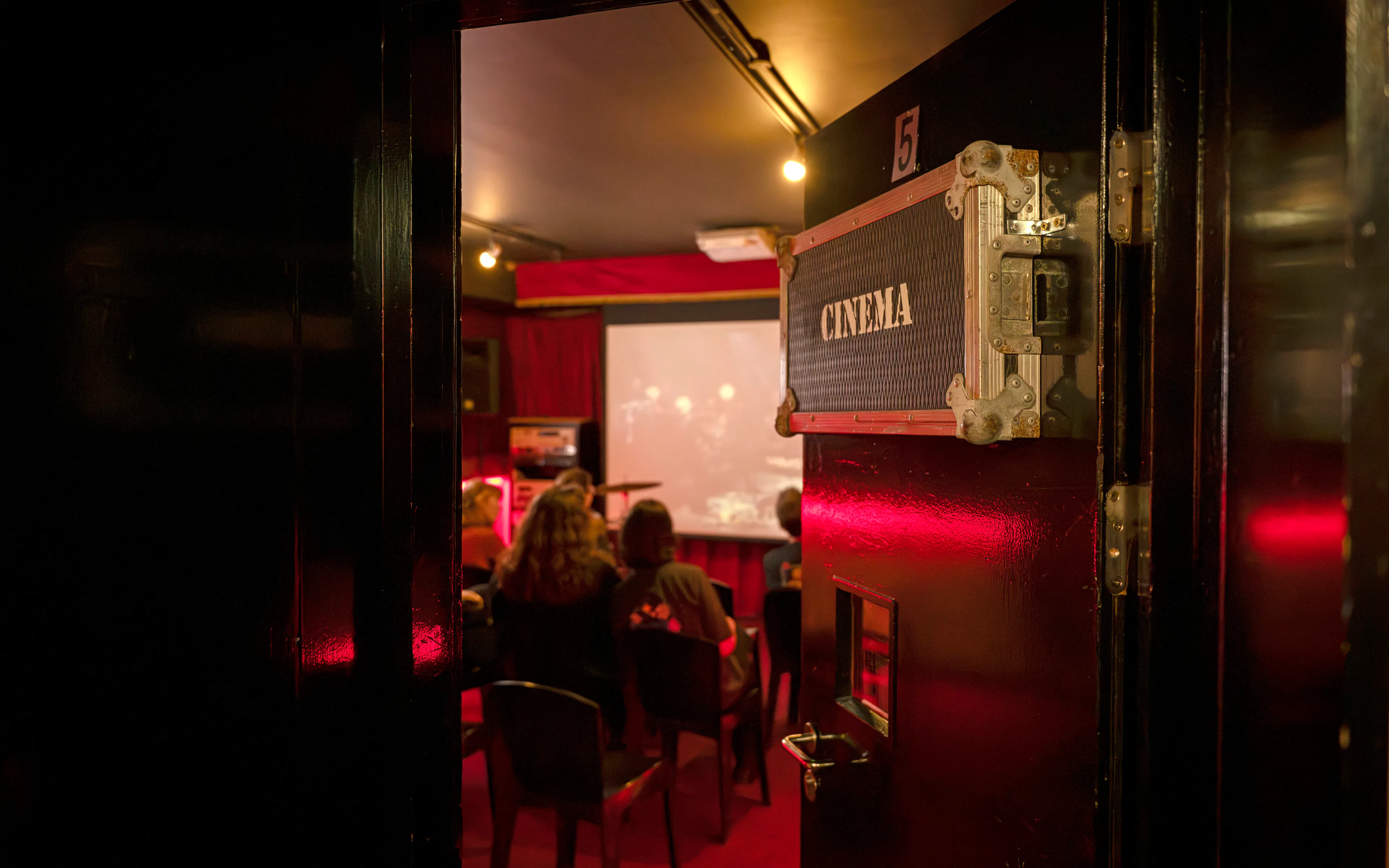
If you’ve ever felt the hair on your arms stand up during a Thin Lizzy solo or a U2 anthem, this museum is an essential pilgrimage. The atmosphere is electric, trading the hushed silence of typical museums for the raw, cluttered energy of a backstage lounge. Originally built as a hub for rehearsals and recording (The Apollo Studios), its ambition was to provide a home for the ‘Dublin sound’.
The emotional payoff comes from the realisation that you aren't just looking at history; you’re standing in the rooms where Bono and The Edge literally found their voices. You’ll leave feeling like an insider in the world’s most famous ‘small-town’ music scene.


Start your journey with an immersive film that traces the history of the Irish music scene. This curated documentary sets the stage, connecting the dots between traditional folk and the rebellious rock legends that defined a nation.
Trace the meteoric rise of Ireland’s most famous exports. This room features rare memorabilia and stories from the band's early days, providing an intimate look at their evolution from local boys to global icons.
Walk through the very spaces where Sinead O’Connor and The Script honed their craft. This area houses one of Ireland's largest framed vinyl collections and the famous Rory Gallagher Corner.
A dedicated tribute to Phil Lynott, featuring his iconic juke box and personal guitars. This space draws more visitors than any other; fans often spend 20 minutes here just soaking in the ‘Vibe’.
The interactive finale, where you can grab a guitar, don some rock gear, and take to the stage. It’s the ultimate photo op for anyone who has ever dreamed of fronting a rock band.
To get the most out of the Irish Rock 'n' Roll Museum Experience, you must follow the guided flow, as the museum is not accessible for self-guided wandering.
The museum is housed within the Button Factory and Apollo Studios, a complex that has been the cornerstone of Irish music since the late 20th century.
The building reflects the Industrial-Functional style typical of the Temple Bar redevelopment era. It wasn't built for aesthetics but for acoustics. The materials (heavy soundproofing, exposed brick, and winding narrow corridors) create a sense of being inside the music industry. The architect’s vision was to create a honeycomb of creative spaces that could contain the noise of a full rock band while providing an intimate recording environment. As a visitor, the architecture makes you feel a sense of creative claustrophobia (the good kind) where every corner is packed with history.
The complex was developed by music industry veterans who wanted to preserve the integrity of the Temple Bar Cultural Quarter. Their philosophy was ‘authenticity over polish’, ensuring the building remained a gritty, working space rather than a sanitised tourist trap.
Absolutely, especially for fans of U2, Thin Lizzy, or general music history. It offers a rare, behind-the-scenes look at a working recording studio that you won't find in traditional museums.
Yes, the museum features a mix of authentic memorabilia and high-quality rehearsal equipment. You can see Phil Lynott’s personal items and even play real instruments in the interactive Jam Room during the tour.
While the studios are frequently in use by professional artists, recording sessions are private. However, the tour takes you through the control rooms and live rooms used by stars like The Cranberries and Hozier.
Do not miss the Phil Lynott exhibition and the chance to take a photo in the Jam Room with the vintage instruments. The outdoor Wall of Fame is also a must-see.
The museum sits in the historic heart of Dublin's music scene. This specific building has served as a sanctuary for Irish artists for decades, making it the most authentic location to tell the story of Irish rock.
This is a strictly guided experience. Because the museum is located within a working recording studio and rehearsal space, visitors must be accompanied by a guide to navigate the active creative zones.
The fully guided tour typically lasts between 60 and 75 minutes. You should arrive 15 minutes early to check in at the Temple Bar entrance.
Yes! Children often love the interactive Jam Room where they can play the drums and guitars. However, note that children under the age of 5 years are not permitted to the attraction.