In 1780, John Jameson opened his distillery on Bow Street in Dublin. Using innovative mash bills and a commitment to triple distillation, he quickly built a reputation for producing smooth Irish whiskey.
Jameson History | The story behind Ireland’s most famous whiskey
The story of Jameson Irish Whiskey began in 1780 when John Jameson opened a distillery on Bow Street in Dublin. What started as a small family operation grew into a global whiskey icon, shaped by generations of distillers, wars, prohibition, and centuries of craftsmanship.
Jameson history timeline
- 1780: Bow Street Distillery founded
John Jameson establishes his distillery in Dublin, beginning the legacy of Jameson Irish Whiskey. - 1785: Malt Tax innovation
Distillers experiment with malted and unmalted barley to reduce taxes, helping shape the style of Irish pot still whiskey. - 1804: John Jameson II takes over
The founder’s son assumes leadership and expands the distillery’s production and reputation. - 1870: Distillery becomes a ‘city within a city’
Bow Street grows to employ hundreds of workers, including coopers, carpenters, and blacksmiths. - 1891: Company incorporated
John Jameson & Son becomes a limited company, marking a new corporate phase. - 1920–1933: American Prohibition
The closure of the U.S. market severely impacts Irish whiskey exports. - 1966: Formation of Irish Distillers
Jameson merges with other Irish distilleries to strengthen the struggling industry. - 1970: Final distillation at Bow Street
After nearly 200 years, whiskey production ended at the historic Dublin site. - 1997: Bow Street reopens as a visitor centre
The Old Jameson Distillery becomes a major tourism attraction. - 2018: World’s Leading Distillery Tour
Jameson Distillery Bow St. wins a prestigious tourism award, cementing its global reputation.
Jameson’s history explained
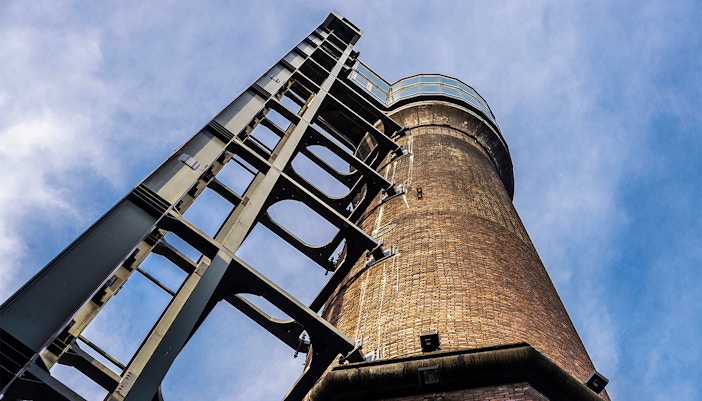
Founding era (1780–1804)
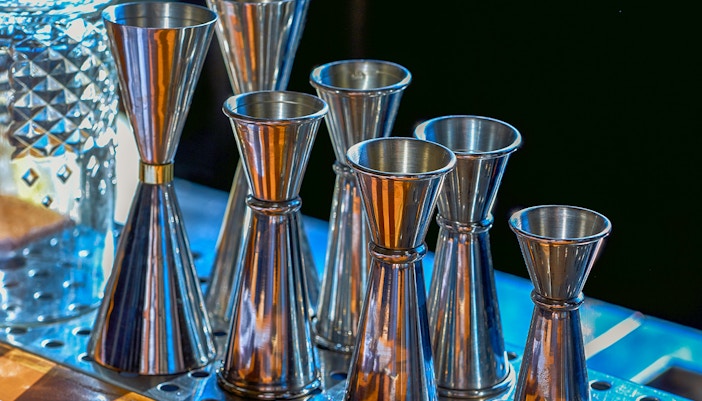
Family dynasty (1804–1875)
Leadership passed to successive generations, John Jameson II and III, who expanded the distillery’s reach and influence. By the mid-19th century, Jameson had become one of Ireland’s most respected whiskey producers.
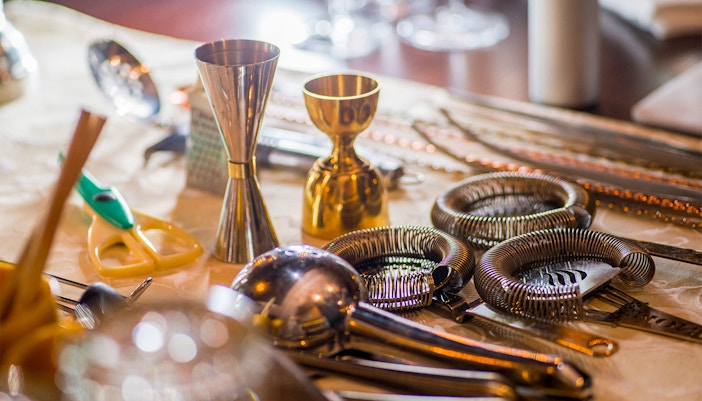
Industrial golden age (1875–1905)
The Bow Street complex grew into a major industrial site employing hundreds of workers. During this period, the brand expanded internationally and established recognisable labels and branding elements.
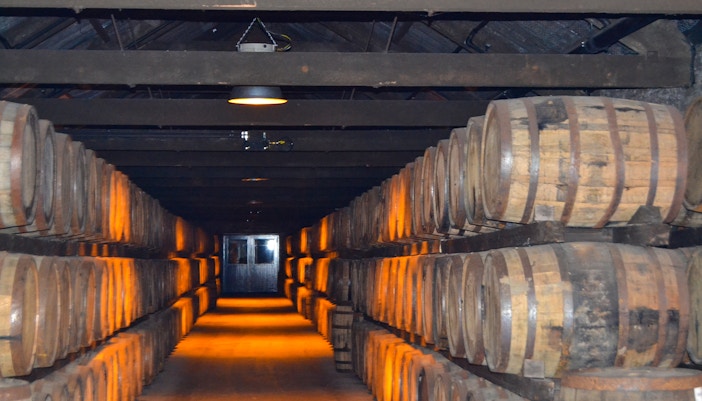
Crisis and resilience (1905–1966)
World events, including the Easter Rising, Prohibition in the United States, and global wars, damaged Irish whiskey exports. Despite these challenges, the Jameson family remained central to the industry’s survival.
Industry consolidation (1966–1975)
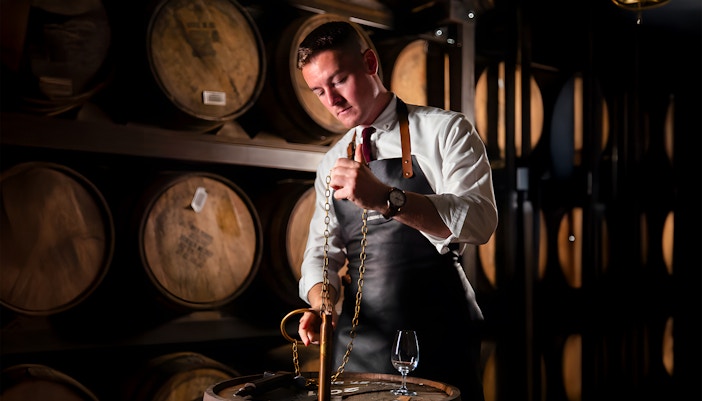
To protect the future of Irish whiskey, Jameson joined forces with other distilleries to form Irish Distillers Limited. Production eventually moved to a modern facility in Midleton, County Cork.
Revival and global success (1997–present)
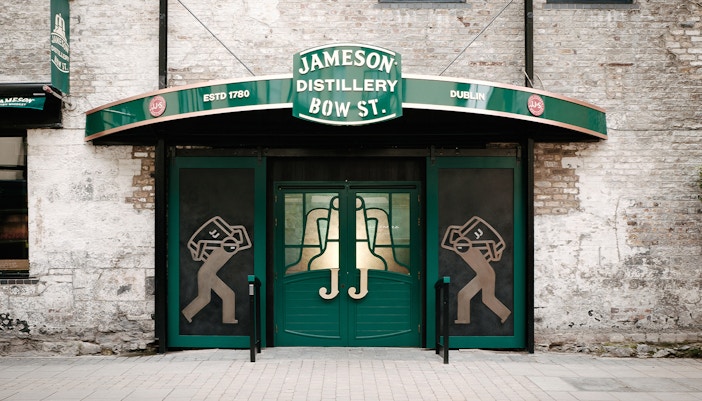
The historic Bow Street distillery reopened as a visitor centre in 1997. Today, Jameson is one of the world’s best-selling Irish whiskeys and welcomes millions of visitors exploring its heritage.
Construction and architecture of the Jameson Distillery
The original Bow Street distillery developed gradually during the 18th and 19th centuries as production increased.
Key architectural highlights include:
- Industrial courtyard layout: Buildings arranged around working yards for milling, distilling, and storage.
- Large warehouses and cooperage areas: Used to store casks and maintain barrels essential for maturation.
- Thick brick distillery walls: These retained heat from the stills, famously warming the surrounding streets in winter.
- Adaptive restoration: When the site reopened as a visitor attraction in 1997, historic structures were preserved while modern exhibition spaces were added.
Today, the restored buildings blend historic distilling architecture with interactive museum spaces.
Jameson Distillery today – Why it matters
Today, the Bow Street distillery stands as the spiritual home of Jameson Irish Whiskey, even though production now takes place at the Midleton Distillery in County Cork.
You can explore immersive storytelling exhibitions, whiskey tasting sessions and blending experiences, cocktail masterclasses and guided tours, and the historic distillery courtyards and tasting rooms.
The site remains one of Dublin’s most popular whiskey attractions, celebrating more than two centuries of Irish distilling tradition.
Frequently asked questions about Jameson history
Jameson Irish Whiskey was founded in 1780 when John Jameson opened the Bow Street Distillery in Dublin.
John Jameson was a Scottish-born distiller who moved to Dublin in the late 18th century and founded the Jameson whiskey brand.
The Jameson Distillery was founded in 1780 by John Jameson, a Scottish-born entrepreneur who moved to Dublin and established the Bow Street distillery.
Jameson played a major role in shaping Irish whiskey traditions, particularly the use of triple distillation and pot still whiskey made from malted and unmalted barley.
Triple distillation became a hallmark of the brand, producing a smoother spirit than many other whiskies and helping Jameson build its reputation internationally.
The original Jameson Distillery was located on Bow Street in the Smithfield district of Dublin. It remained the brand’s main production site for nearly 200 years.
By the late 19th century, the Bow Street distillery covered nearly six acres and employed hundreds of workers, making it one of the largest distilleries in Ireland.
The final distillation at Bow Street took place on June 5, 1970.
Whiskey production at Bow Street ended in 1970 as the Irish whiskey industry consolidated production at a larger, more modern facility in Midleton Distillery.
After closing in 1970, the distillery fell into disrepair for many years before being restored and reopened as the Jameson Distillery Bow St. visitor centre.
Prohibition in the United States cut off one of Jameson’s largest export markets, contributing to a major decline in Irish whiskey sales during the early 20th century.
During the Easter Rising, the Bow Street distillery’s rooftop became a strategic vantage point for a volunteer sniper overlooking nearby conflict areas.
In 1966, Jameson joined forces with other major Irish distilleries to form Irish Distillers in an effort to revive the struggling Irish whiskey industry.
Today, Jameson whiskey is produced at the Midleton Distillery in County Cork, Ireland, one of the largest whiskey distilleries in the world.
The Old Jameson Distillery reopened as a visitor centre in 1997 after years of closure and restoration, transforming the historic site into one of Dublin’s leading whiskey tourism destinations.
Events such as American Prohibition, global wars, and trade disruptions drastically reduced exports and damaged the industry.
The Old Jameson Distillery reopened as a visitor centre in 1997 and has since become a major tourist attraction.
Yes. Guided tours at the Jameson Distillery Bow St. explain the brand’s history, production process, and cultural significance.
The Barrelman symbol represents the distillery workers who built the brand’s legacy. It originated from a 1920s advertising campaign and remains part of the bottle design today.

