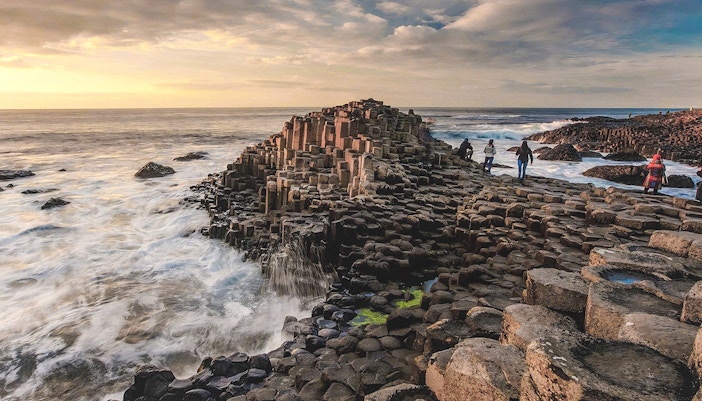
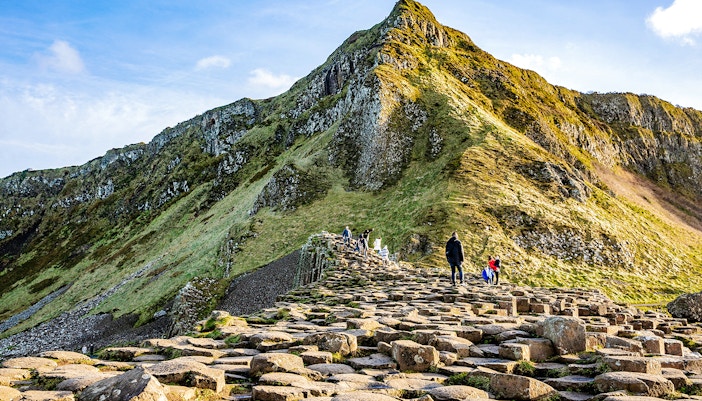
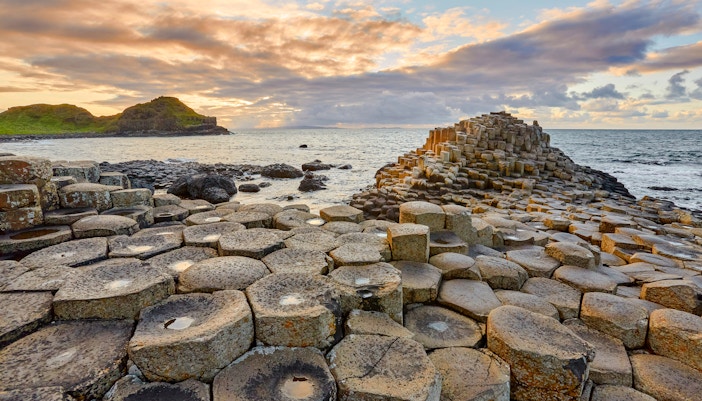
- Crowd levels: Moderate
- Weather: Cool, clearer skies
- Why visit: Balanced crowds and good light
The Giant’s Causeway coastal site is open year-round. Timings below mainly apply to the Visitor Centre and managed facilities. Access to the stones may be restricted during severe weather or safety closures.
| Season | First entry/opening | Last entry/closing | Frequency/access | Notes |
|---|---|---|---|---|
Jan–Feb | Around 10am | Around 4pm | Open daily | Short daylight hours; rough seas may limit access to lower paths |
Mar–Jun | Around 9am | Around 5pm | Open daily | Improving weather and visibility |
Jul–Aug | Around 9am | Around 6pm | Open daily | Peak season; busiest months |
Sep–Oct | Around 9am | Around 5pm | Closed on Oct 9 | Fewer crowds, good light |
Nov–Dec | Around 10am | Around 4pm | Closed from Dec 24 to Dec 26 | Early sunsets; storms possible |
For the most accurate and up-to-date information, always refer to the official Giant’s Causeway timetable, especially during winter storms, maintenance periods, or public holidays. Opening hours and access conditions can change at short notice due to weather and coastal safety assessments.
Most visitors spend 2–4 hours, depending on weather and walking ability.
Yes. The coastal site is accessible year-round, though facilities follow seasonal hours.
Technically, yes, but it’s unsafe due to uneven terrain, no lighting, and weather risks.
Yes. Daylight varies significantly by season in Northern Ireland. Late spring and summer offer longer evenings, while winter visits require earlier arrivals to explore safely.
Early morning or late afternoon provides softer light and fewer people. Autumn mornings often deliver dramatic skies, making it one of the best times to visit Giant’s Causeway for photos.
Sunset is generally more practical due to access and lighting. Sunrise can be beautiful but requires careful planning, as facilities are closed and paths are unlit.
Yes. Strong winds, rain, and high seas can limit access to lower paths. Calm, dry days in spring and early autumn are considered the best time to visit Giant’s Causeway.
Access is generally year-round, but rough seas or safety assessments may temporarily close the lower path during winter or storms.
Late spring and summer mornings are ideal, offering safer path conditions, longer daylight, and open facilities.
Yes. March–April and September–October are shoulder seasons with fewer tour groups, making them some of the best times to visit Giant’s Causeway.
Yes. Winter months typically have earlier closing times due to shorter daylight and weather conditions.
Arriving at opening time or after 4pm (outside peak summer) helps avoid large tour groups.
Yes. Hikers should aim for mid-morning in fair weather to allow enough daylight for cliff paths and return walks.

From Belfast: Giant’s Causeway and Titanic Experience Full-Day Tour
From Belfast: Giant's Causeway Full-Day Tour
From Belfast: Giant’s Causeway, Dark Hedges & Dunluce Castle Full-Day Tour
From Belfast: Giant's Causeway & Game of Thrones Film Locations Full-Day Tour