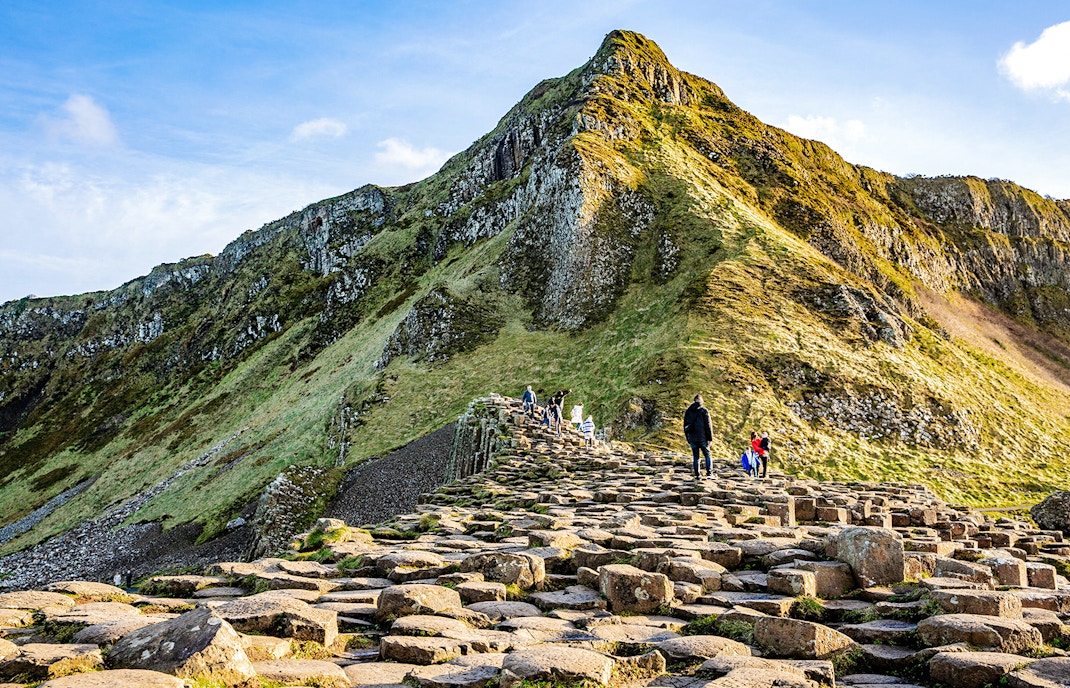
The unique landscape was formed approximately 60 million years ago during the Paleogene period. Intense volcanic activity caused molten basalt to intrude through chalk beds, forming a vast lava plateau. As the thick layer of lava cooled rapidly, it contracted and cracked into the symmetrical, hexagonal pillars we see today.
10 interesting facts about the Giant's Causeway in Bushmills
Discover the magic of Northern Ireland’s most iconic natural wonder. This UNESCO World Heritage site is a breathtaking display of 40,000 hexagonal basalt columns, blending fascinating geological history with the legendary tales of the giant Finn McCool.
Quick facts
| Feature | Detail |
|---|---|
Total columns | Approximately 40,000 |
Oldest stone | ~60 million years |
Status | UNESCO World Heritage Site |
Tallest point | ~39 feet (12 meters) |
10 interesting facts about Giant's Causeway
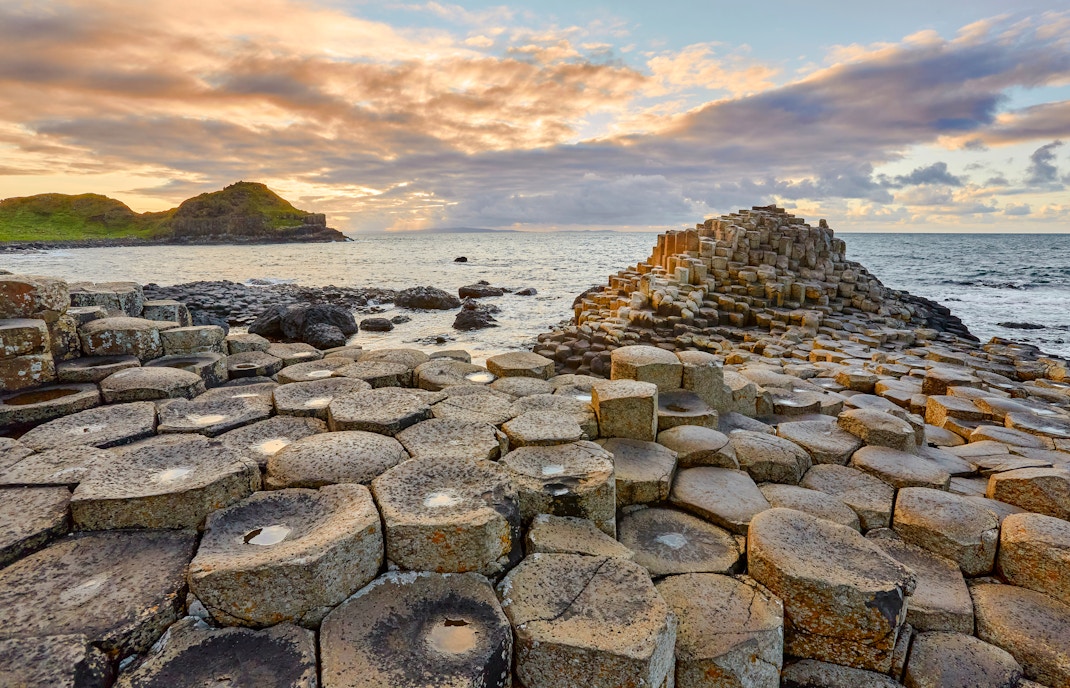
A fiery birth from the Earth’s core
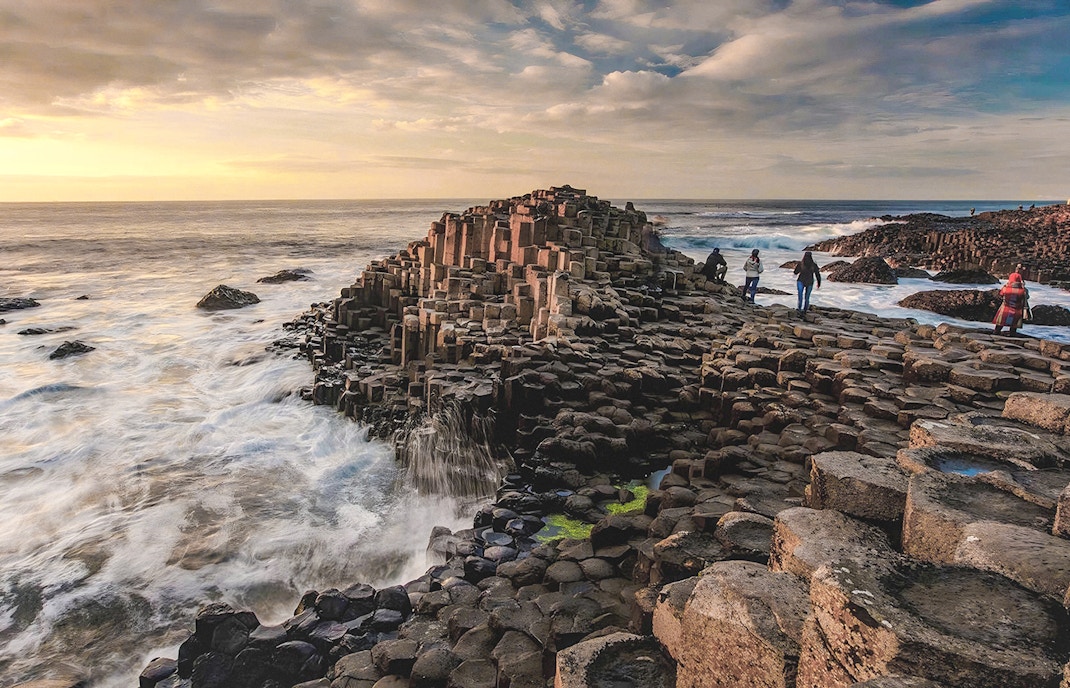
The epic feud of the two giants
According to Irish folklore, the causeway was built by the giant Finn McCool. Legend says he constructed the path to Scotland to challenge his rival, Benandonner. When he realised the Scottish giant was much larger than expected, Finn fled back to Ireland, and the pathway was later destroyed during their epic confrontation.
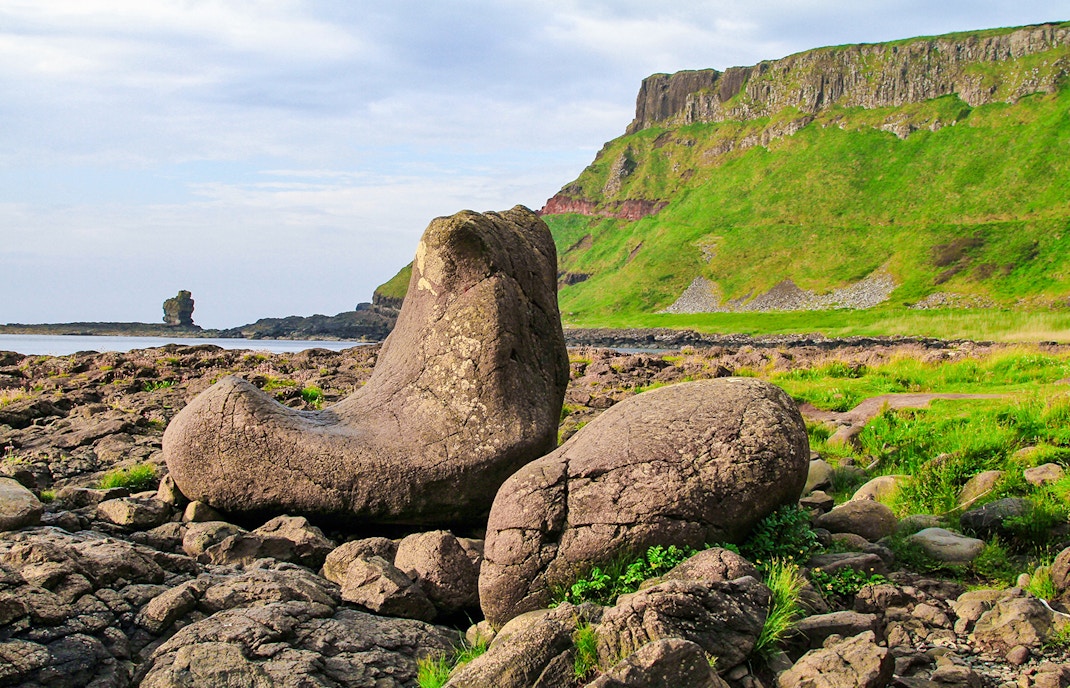
Lost property: The size 93.5 boot
While exploring the site, visitors can find a large rock formation shaped remarkably like a boot. Tucked away in Port Noffer, this ‘Giant’s Boot’ is said to have been lost by Finn McCool as he fled from Benandonner. Interestingly, the boot is estimated to be a massive size 93.5 in human measurements.
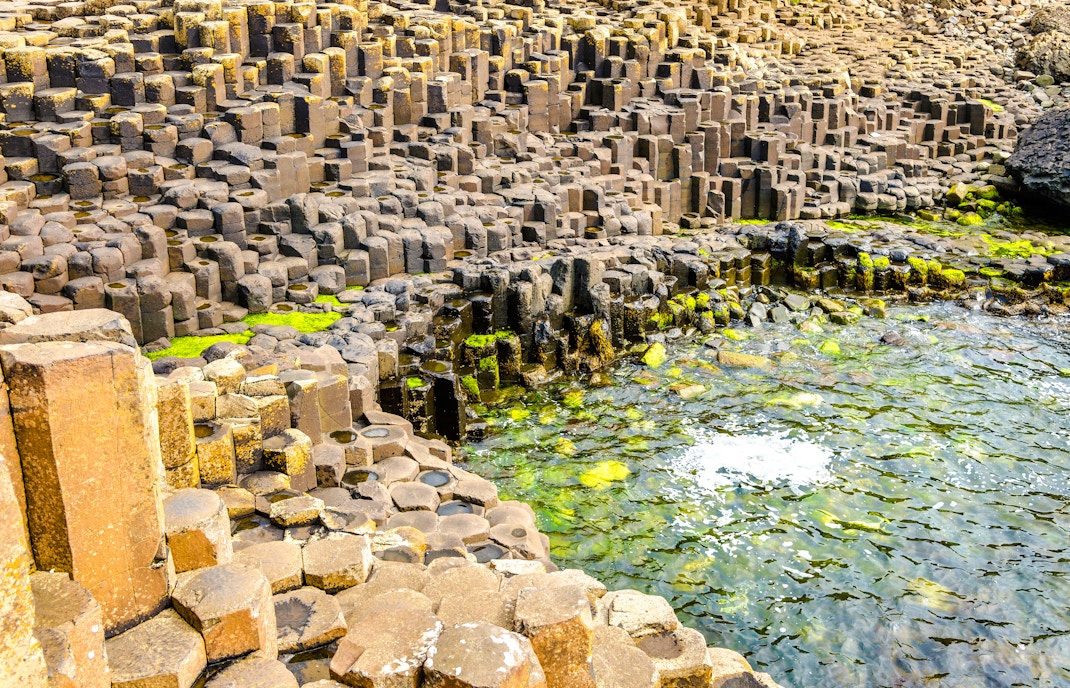
Geometry lessons carved in stone
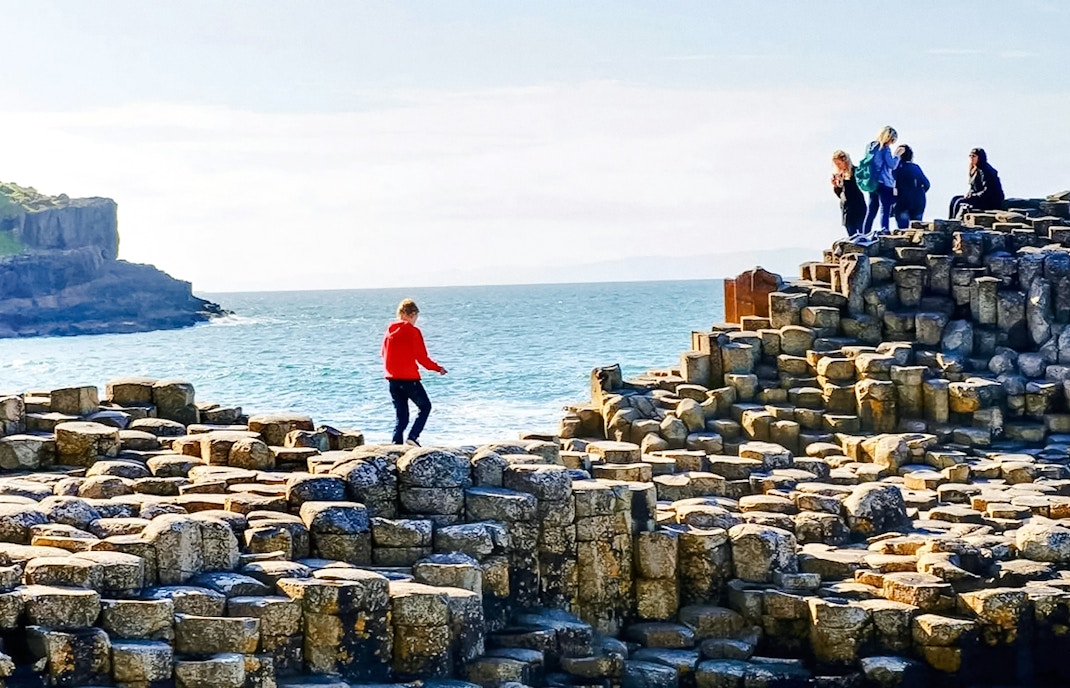
While the columns look like they were carved by hand, they are entirely natural. While most of the 40,000 pillars are hexagonal (six-sided), some actually have four, five, seven, or even eight sides. The uniformity is caused by the cooling rate of the lava, which created a pattern known as ‘columnar jointing’.
A world-class treasure of humanity
In 1986, the Giant’s Causeway was named a UNESCO World Heritage site, the first of its kind in Northern Ireland. It was recognised for its ‘superlative natural phenomena’ and its role in the development of geological science. Today, it remains one of the most studied and visited geological sites in the world.
Take a seat in the Wishing Chair
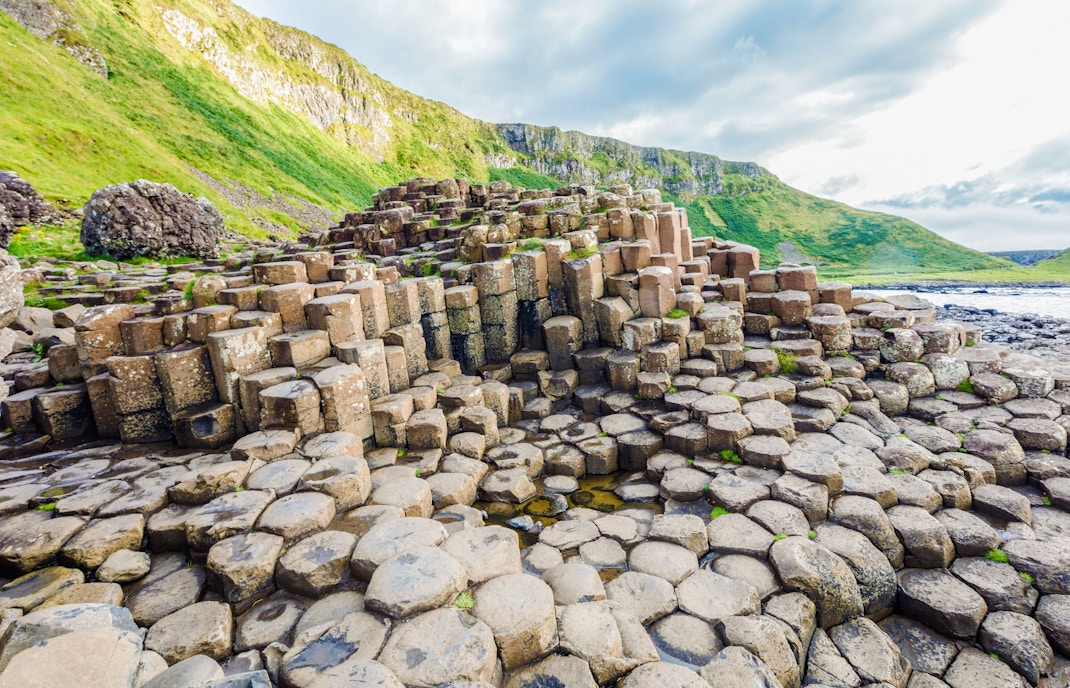
Located within the ‘Middle Causeway’ is a natural throne-like arrangement of stones known as the Wishing Chair. It has been sat upon by so many visitors over the centuries that the basalt surface has become incredibly smooth and shiny. Local lore suggests that anyone who sits in it will have their wish granted.

A secret sanctuary for rare species
The site isn't just about rocks; it is a National Nature Reserve home to rare flora and fauna. You can spot the Narrow Mouth Whorl Snail, a rare species protected under European law. Birdwatchers can also see peregrine falcons, razorbills, and fulmars nesting along the steep, rugged cliffs overlooking the Atlantic.
Music for giants: The Great Organ
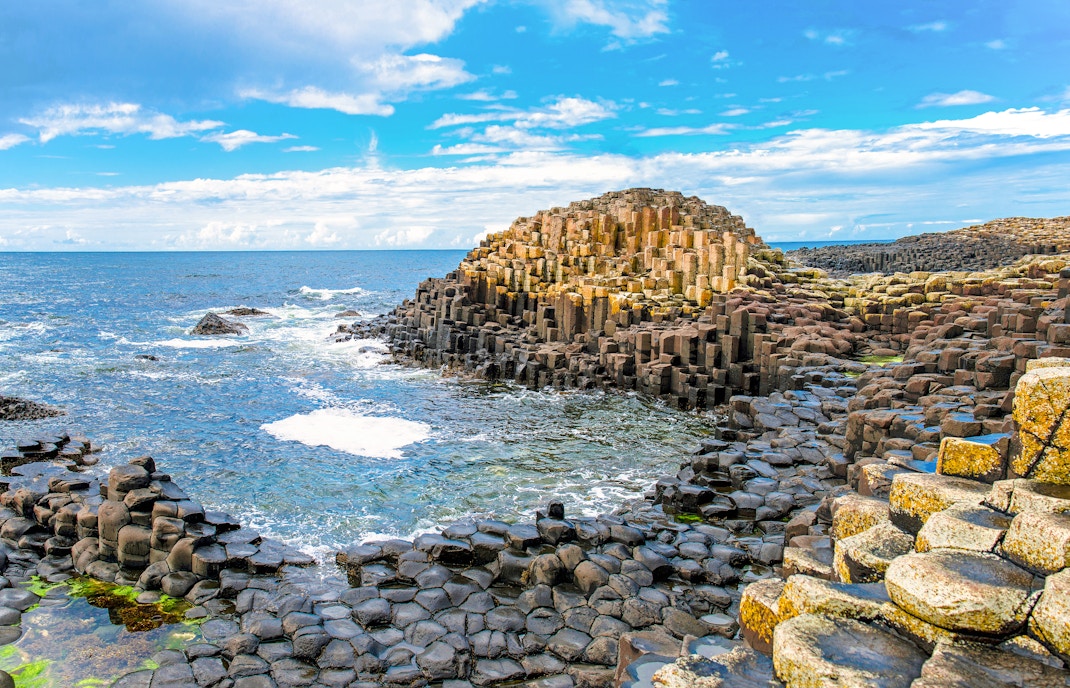
One of the most striking formations at the site is the Giant’s Organ. Standing roughly 40 feet (12 meters) tall, these particular columns look exactly like the pipes of a massive musical instrument. It is part of the cliff face and serves as a prime example of how the basalt layers stacked over time.
The ghost of the Spanish Armada
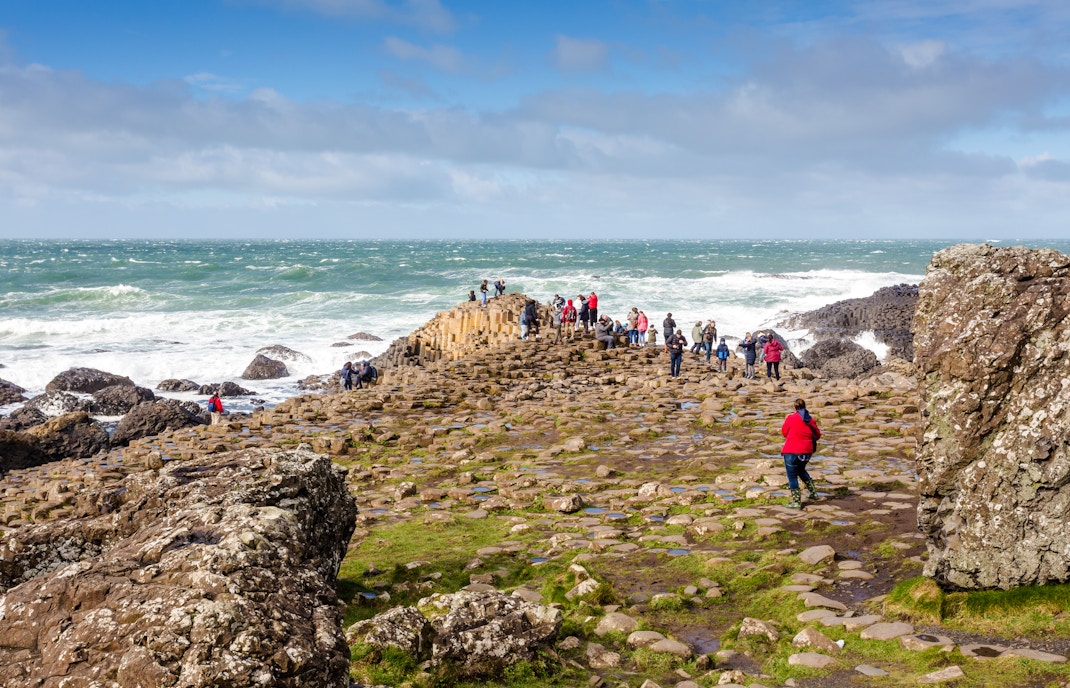
In 1588, a ship from the Spanish Armada called La Girona sank just off the coast near the Giant’s Causeway at Lacada Point. It was carrying a massive amount of gold and jewellery. In the 1960s, divers recovered a legendary treasure trove from the site, which is now displayed at the Ulster Museum.
The invisible bridge to Scotland
The geological formation doesn't actually end at the Irish coast. The same basalt columns appear across the sea at Fingal’s Cave on the Scottish Isle of Staffa. This shared geology is what likely inspired the myth of the bridge across the sea, as the two sites are part of the same ancient lava flow.
Frequently asked questions about Giant's Causeway facts
While the legends are fun, the scientific reality is just as cool. About 50 to 60 million years ago, during the Paleogene Period, intense volcanic activity forced molten basalt through chalk beds to form a large lava plateau. As the lava cooled rapidly, it contracted. Much like drying mud cracks, the contraction caused the rock to fracture into the iconic hexagonal columns we see today.
There are approximately 40,000 interlocking basalt columns. While most appear to be hexagonal (six-sided), you can also find columns with four, five, seven, or even eight sides.
According to Irish folklore, the causeway was built by the giant Finn McCool (Fionn mac Cumhaill). Legend says he built the path to reach Scotland to fight a rival giant named Benandonner. When he realised Benandonner was much larger than expected, Finn disguised himself as a baby to trick the Scottish giant into thinking, "If the baby is this big, imagine how huge the father must be!"
Yes! The Scottish side of the legend is supported by Fingal’s Cave on the Isle of Staffa. It features the exact same basalt columns, as both sites were formed by the same ancient volcanic eruption.
While it is often called the ‘eighth wonder of the world’ by locals and tourists, it is officially a UNESCO World Heritage Site (designated in 1986) and a National Nature Reserve. It is widely considered the most popular tourist attraction in Northern Ireland.
The columns vary in height, but some reach up to 12 meters (39 feet) tall. The solidified lava is several meters thick in many places, creating a dramatic cliffside landscape.
Yes, visitors are allowed to walk on the stones themselves. Access to the formation is free, though the National Trust charges a fee for using the visitor centre facilities and parking.


