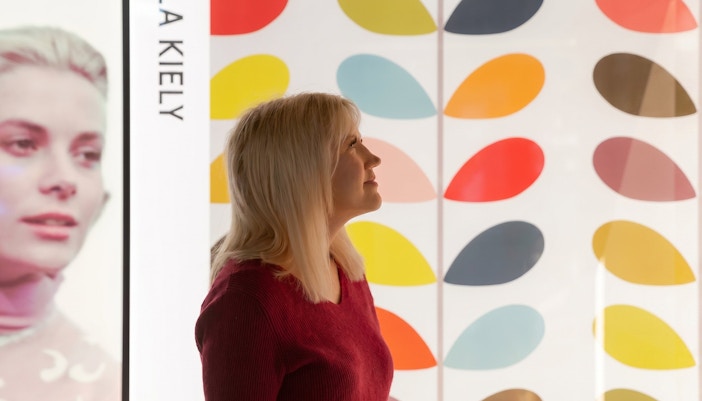
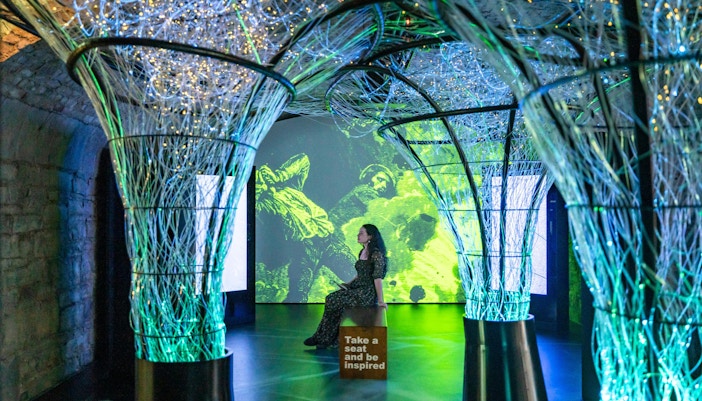
Step into one of the most powerful sections, where immersive visuals and personal stories bring the 1840s famine to life. Experience the conditions that forced millions to leave and shaped the story of emigration.
Quick Information
RECOMMENDED DURATION
2 hours
Timings
10:00–18:45
VISITORS PER YEAR
350000
TICKETS
From $25.24
EXPECTED WAIT TIME - STANDARD
0-30 mins (Peak), 0-30 mins (Off Peak)
Did you know?
EPIC is housed in the CHQ Building, a restored 19th-century warehouse located in Dublin’s Docklands.
The museum was founded by Neville Isdell, an Irish-born businessman and former CEO of The Coca-Cola Company.
EPIC has been named Europe’s Leading Tourist Attraction at the World Travel Awards multiple times, including 2019, 2020, 2021, and 2022.
Is the EPIC Museum worth visiting?
Walking into EPIC feels less like entering a museum and more like stepping into a story. From the moment you arrive, it’s clear this isn’t a typical museum. There are no glass cases or labelled artefacts—just darkened galleries filled with light, sound, and movement, where interactive screens bring to life real stories of Ireland’s emigration and its global impact.
EPIC was created to tell the story of Irish emigration through people rather than objects—millions who left their homeland in search of survival, opportunity, and new beginnings and how they went on to shape cultures across the world. It replaces traditional displays with digital storytelling and personal narratives that feel immediate and human.
What makes this museum stand out is its emotional payoff. As you move through the galleries, names, journeys, and lived experiences begin to feel familiar. You leave with a deeper sense of how migration shapes lives—sometimes your own included—and a perspective that stays with you long after you leave.
What to see at the EPIC Museum?
Great Famine Gallery
Immigration Hall (Passport & People)
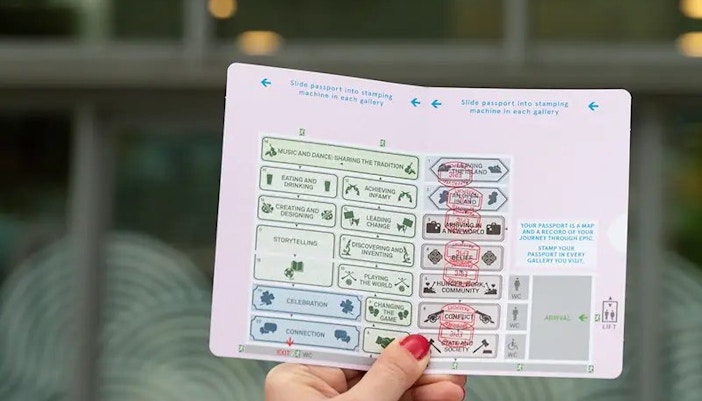
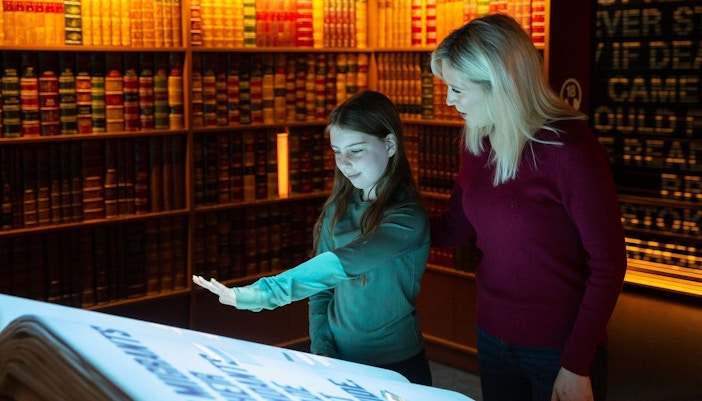
Begin your journey with a stamped passport and move through a space filled with emigrant names and stories. Follow each step as your passport is marked, turning the visit into something interactive and personal.

Emigration Journey galleries
Move through digital maps, ship imagery, and layered soundscapes that trace routes taken across the world. Experience the distance, uncertainty, and scale of leaving home.
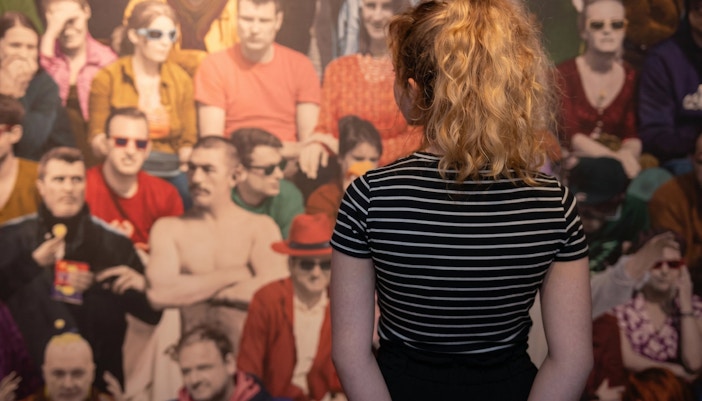
Irish Abroad
Explore interactive displays that highlight Irish influence across science, arts, politics, and business. Discover familiar names and unexpected connections that show how far these journeys reached.
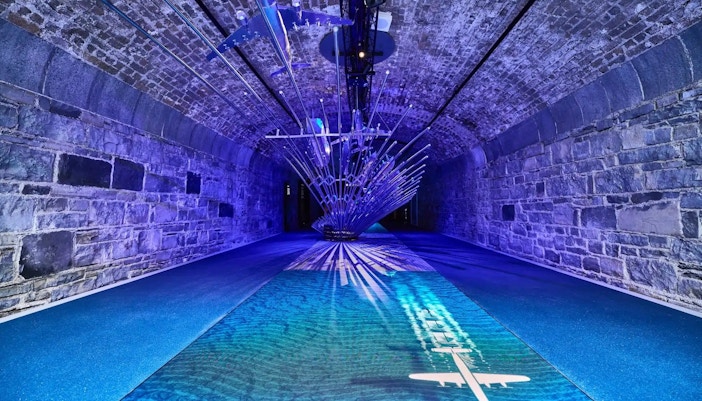
Interactive Riverdance Stage
Step onto a motion-based floor and try Irish dance guided by projected visuals. Add movement to your visit and engage with a lively expression of Irish culture.

Connections Room (Family History)
End on a personal note by searching names and exploring Irish ancestry links. Connect the wider story of emigration back to individual journeys and present-day identities.
Want to make the most of your EPIC Museum visit?
Pair your visit to EPIC The Irish Emigration Museum with combo experiences like the Guinness Storehouse, Jameson Distillery, or hop-on hop-off bus tours for seamless sightseeing beyond the museum.
How to explore the EPIC Museum?
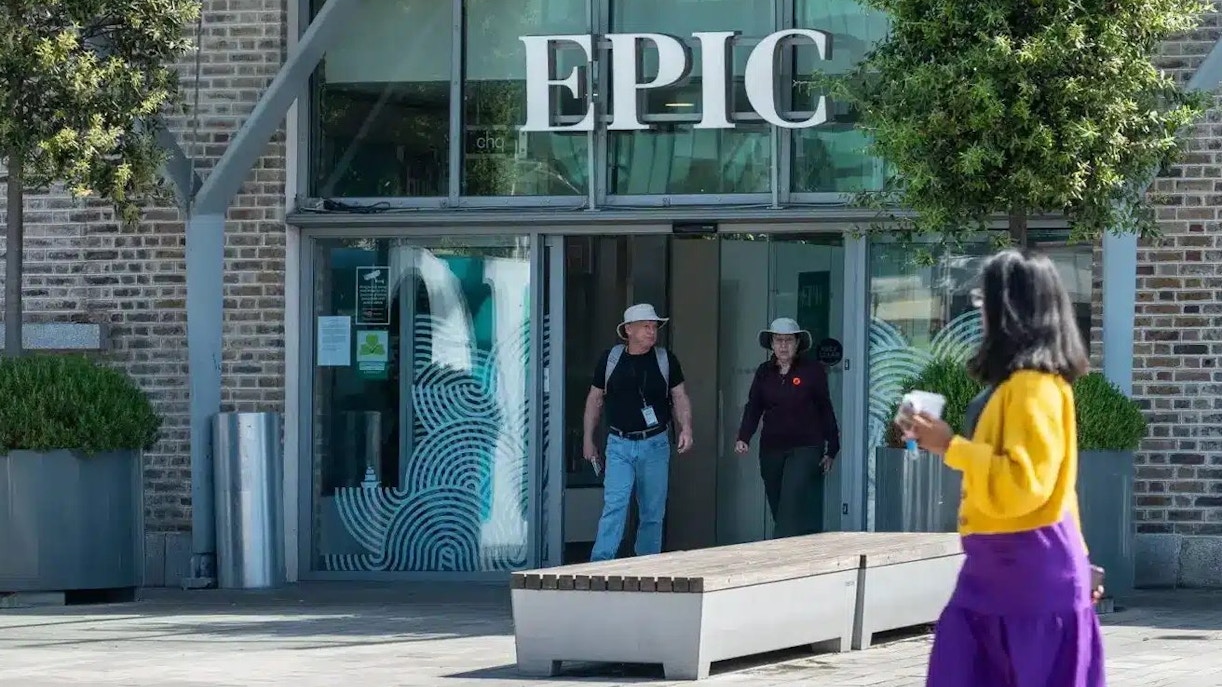
- Time needed: Plan for 1.5 to 2 hours to explore the full museum.
- Suggested route: Start with the early emigration galleries to understand why people left Ireland. Continue through thematic zones covering identity, influence, and global impact, then finish at the genealogy centre if your ticket includes access.
- Must-see: Interactive migration stories, Irish diaspora influence galleries, and the passport stamping experience that tracks your journey through the museum.
- Optional: Temporary exhibitions and the genealogy centre are ideal if you have extra time or a personal interest in family history.
- Guided vs. self-paced: EPIC is designed as a self-paced, fully digital experience that’s easy to navigate. However, combo tickets that include guided tours can help you connect the museum’s stories to Dublin’s real-world landmarks.
Brief history of the EPIC Museum
EPIC opened in May 2016 inside Dublin’s historic CHQ Building, a former bonded warehouse constructed between 1817 and 1820 along the River Liffey. Originally used to store goods such as tobacco, tea, and spirits, the building was later restored as part of the regeneration of Dublin Docklands.
The museum was founded by Neville Isdell, who acquired the CHQ Building in 2013 and developed the concept of a National Diaspora Centre. EPIC was designed as a fully digital, interactive museum to tell the story of Irish emigration across centuries.
Since opening, it has received international recognition, including multiple awards as Europe’s Leading Tourist Attraction between 2019 and 2021, and continues to evolve with updated exhibits and genealogy-focused experiences.
Who built the EPIC Museum?
EPIC was founded and developed by Neville Isdell, former Chairman and CEO of The Coca-Cola Company. Born in Northern Ireland, his early experience of emigration helped shape the vision behind the museum.
His aim was to create a space that explores the global Irish diaspora through stories rather than traditional artifacts, focusing on identity, movement, and cultural influence. To realise this, he led the transformation of the CHQ Building into a modern, interactive museum space.
The exhibition design was developed by Event Communications, a firm known for creating immersive museum experiences.
Architecture of the EPIC Museum
EPIC is housed within the CHQ Building, a landmark example of early 19th-century industrial architecture in Dublin. Designed by engineer John Rennie the Elder and completed in 1820, the building functioned as a bonded warehouse with large open interiors supported by cast iron columns and vaulted ceilings.
Situated along the River Liffey—historically a key departure point for Irish emigrants—the location reinforces the museum’s central theme.
Today, the restored structure combines preserved brick vaults and stone floors with modern exhibition design. The historic framework remains intact, while the interiors have been adapted to house immersive, fully digital galleries.
Frequently asked questions about the EPIC Museum
Yes, especially if you’re interested in Irish history or global culture. EPIC offers a fully digital, interactive experience focused on personal migration stories. It’s engaging, thoughtfully curated, and consistently ranked among Dublin’s top attractions.
Most visitors spend between 1.5 and 2 hours exploring the museum. If you plan to engage deeply with the exhibits or include a genealogy experience, you may want to allow up to 3 hours for a more comprehensive visit.
The interactive migration galleries and diaspora stories are central to the experience. The passport stamping journey adds a structured, engaging element, while the influence galleries highlight Ireland’s global cultural impact. The genealogy centre is a standout for those interested.
Yes, EPIC works well for both families and first-time visitors. The interactive format keeps older children engaged, while adults benefit from the depth of storytelling. It’s also a strong introduction to Irish history without feeling overly dense or academic.
Mornings shortly after opening or late afternoons tend to be quieter and more comfortable. As an indoor attraction, it’s also a reliable option in bad weather or as a flexible addition between other sightseeing plans.
Booking in advance is recommended during weekends and peak travel periods. While entry is generally well-managed, pre-booking helps secure your preferred time slot and ensures a smoother, more predictable visit experience.