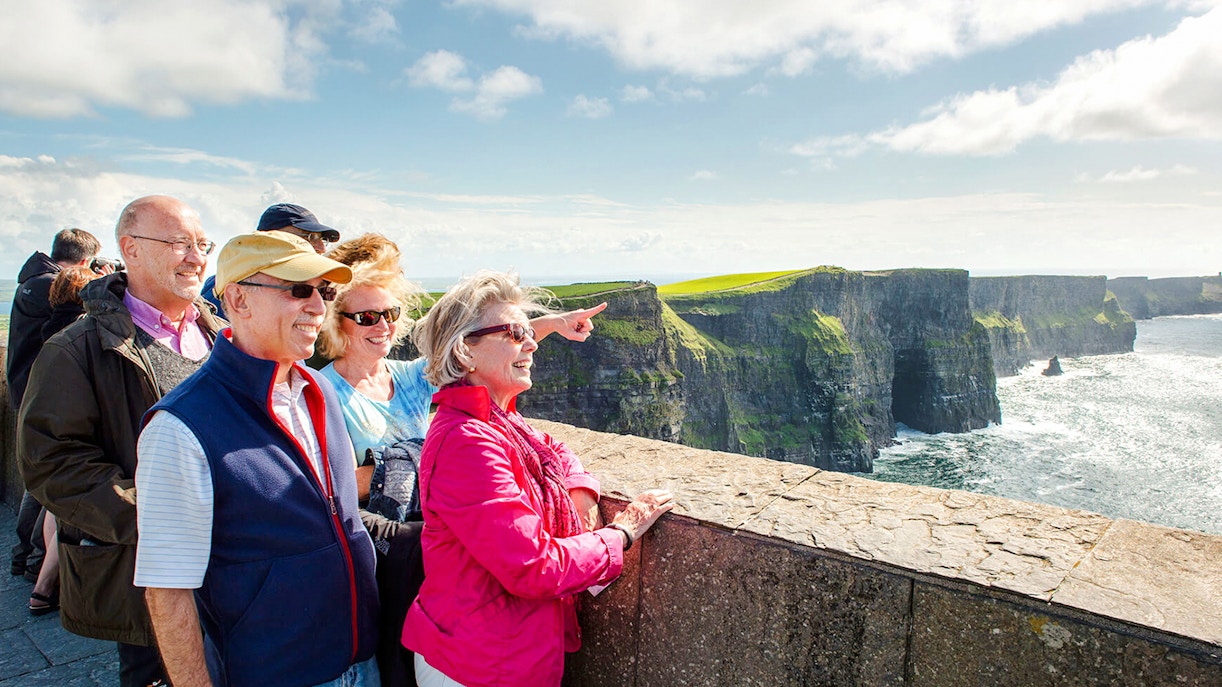
Things to do at the Cliffs of Moher I Hikes, views & tours
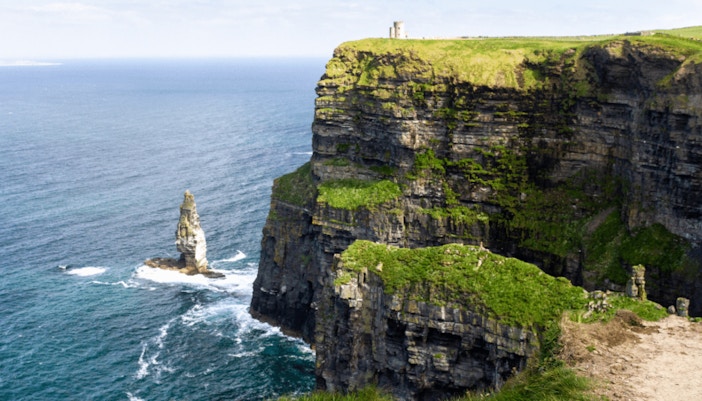
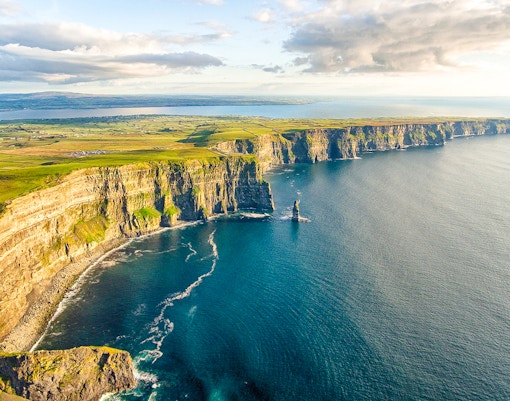
Rising 214 metres above the roaring Atlantic and stretching for 8 kilometres along Ireland’s west coast, the Cliffs of Moher feel like nature showing off. Towering rock faces, crashing waves, and sweeping sea air make every viewpoint unforgettable.
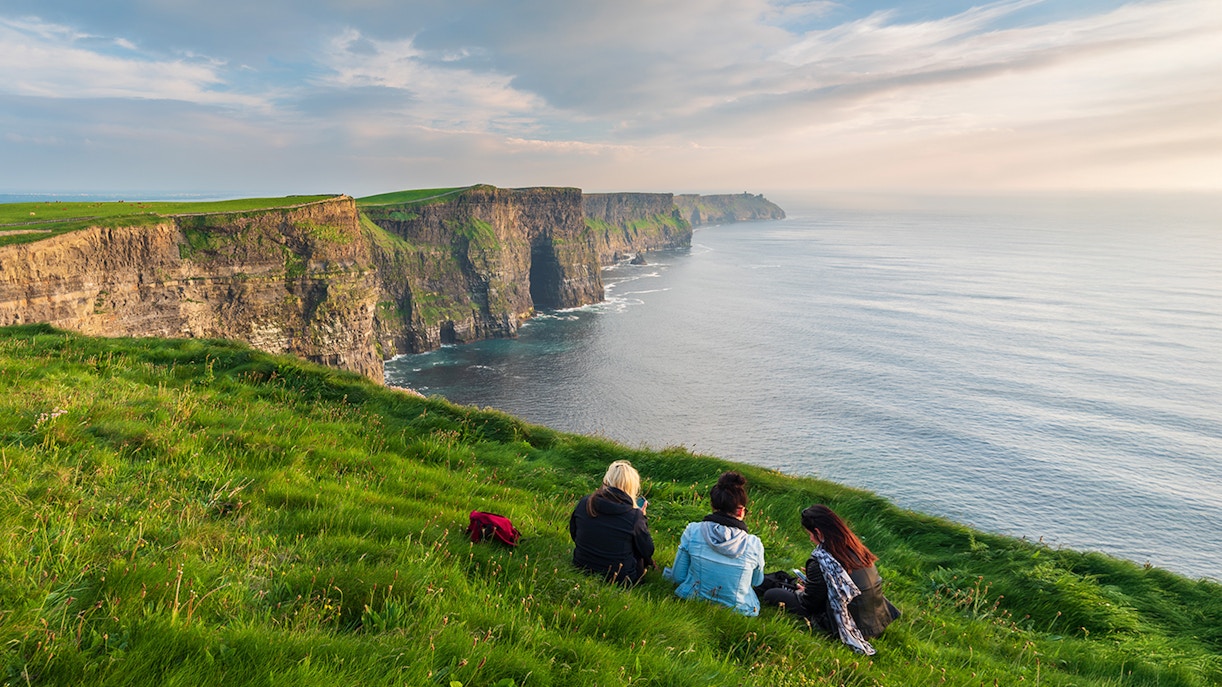
Who it’s for: Perfect for solo travellers chasing that perfect photo, couples soaking up golden hour light, and families eager for a day outdoors surrounded by raw beauty.
Top things to do: Walk the cliff paths around the Visitor Centre, take a boat from Doolin to see the cliffs from below, and spot puffins nesting on the ledges.
Pro tip: Visit early in the morning or late in the afternoon when the light turns golden and the crowds are still few.
Top things to do
Visitor centre & main viewing platforms
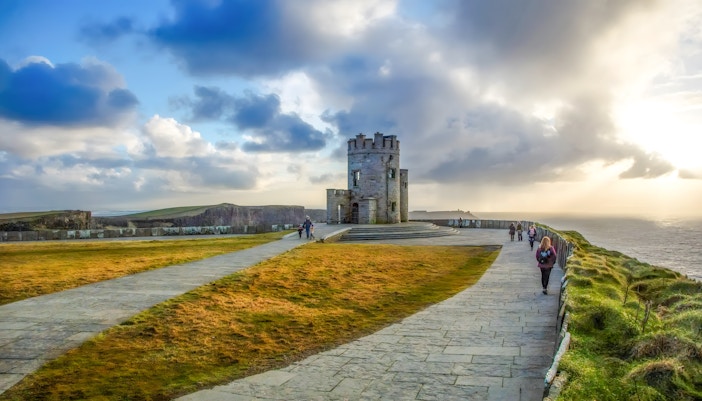
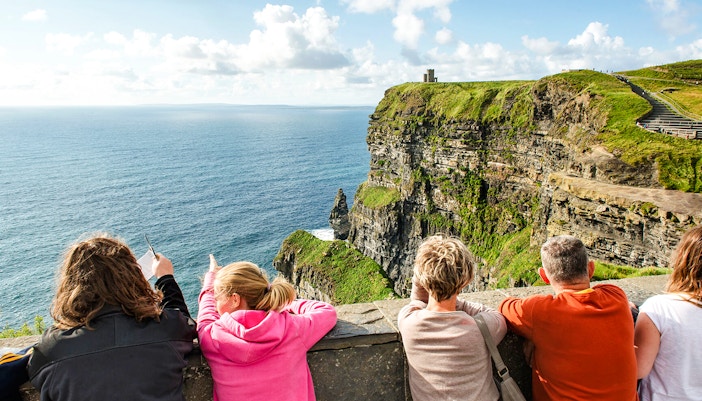
What it is: The eco-friendly Visitor Centre is built into the hillside and gives access to the main cliff-ledge viewpoints via paved paths.
Why it’s great: It combines spectacular Atlantic panoramas, interactive exhibits about geology and wildlife, and convenient amenities.
Pro tip: Start here on arrival to orient yourself, and use the audio-guide/app to deepen the visit.
Cliff walks & scenic trails
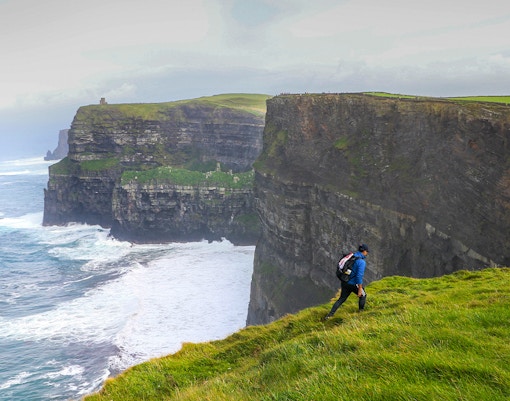
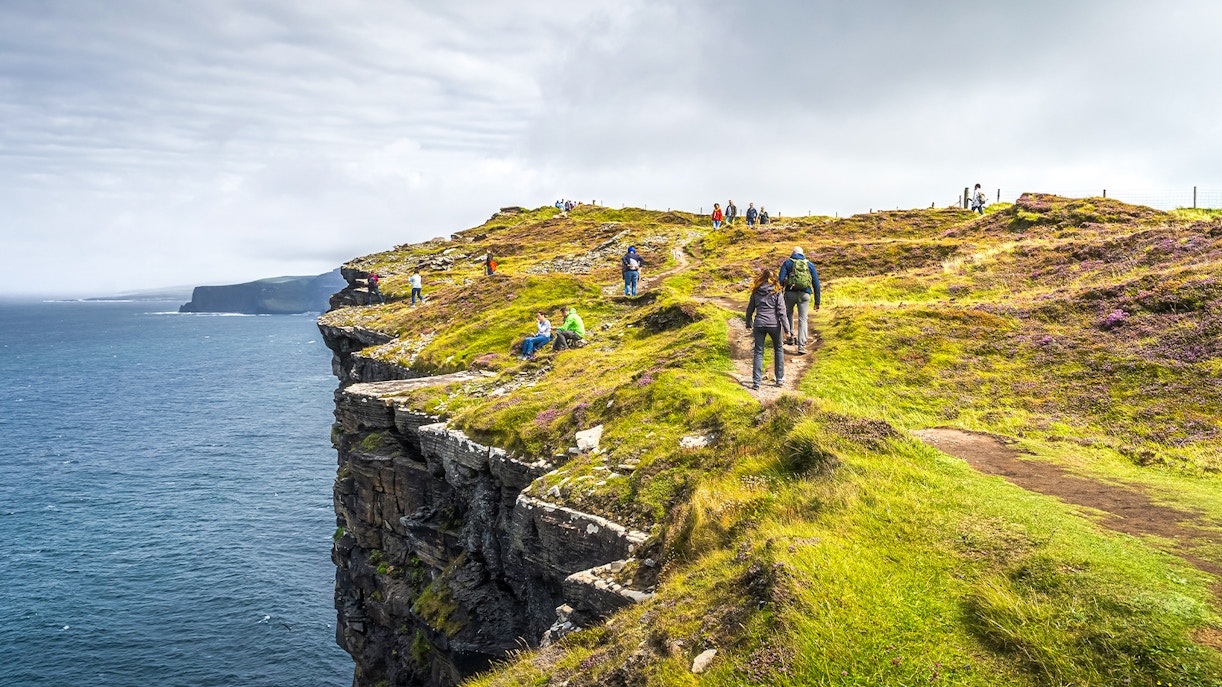
What it is: Choose between shorter strolls or longer hikes along the cliff-top paths, including the route from the Visitor Centre northwards.
Why it’s great: The paths reveal ever-changing angles of the cliffs, sea stacks and the Aran Islands across Galway Bay.
Pro tip: Wear sturdy shoes and keep to official paths because some routes are steep and exposed.
Boat cruise beneath the cliffs
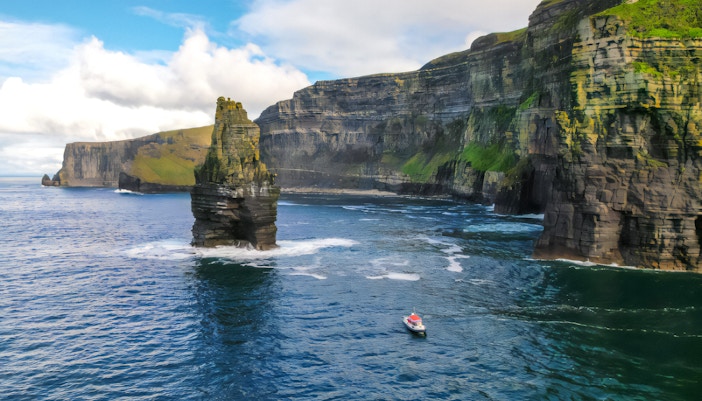
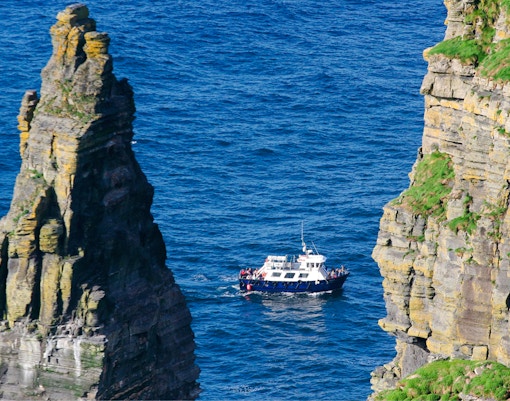
What it is: Depart from the nearby harbour like Doolin and view the clffs from sea level aboard a guided boat.
Why it’s great: Offers a dramatic, unfamiliar perspective—looking up at the sheer drop of the cliffs and spotting seabirds in flight.
Pro tip: Choose a calm-sea day and a spot on the deck for the best photo angles.
Bird-watching & wildlife spotting
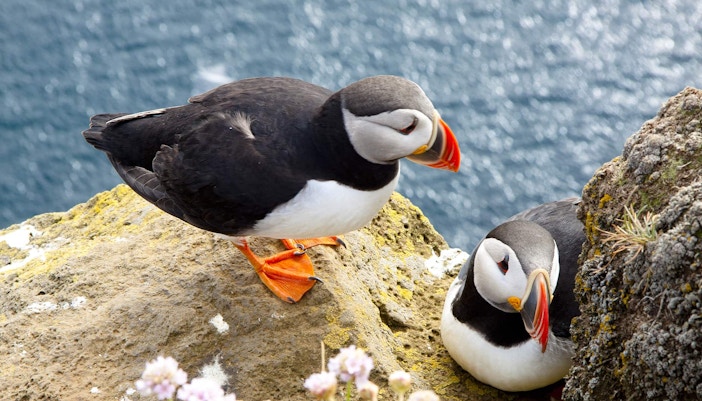
What it is: The cliffs are home to major seabird colonies including puffins, razorbills and kittiwakes.
Why it’s great: It’s rare to combine dramatic coastal scenery with wildlife spotting so easily. It’s ideal for nature lovers.
Pro tip: Bring binoculars, especially in late spring and early summer when puffins nest.
Visit the southern point at Hag's Head
What it is: The cliffs’ southernmost tip with a dramatic rock formation said to resemble a woman’s head and a viewpoint with fewer crowds.
Why it’s great: Offers a quieter vantage point, unique geology and mythic legend for added atmosphere.
Pro tip: Consider parking nearby and walking out rather than arriving via the main lot to beat the crowds.
Dining, shopping & visitor experience
What it is: Within the Visitor Centre area you’ll find a café using local produce, a craft and gift store with Irish artisan goods, and an audio-guide/app.
Why it’s great: A perfect way to wind down your visit, grab a meal or souvenir, and learn about the region.
Pro tip: Look out for special offers in the app and pick up locally-made products as keepsakes.
Explore the surrounding villages & landscape
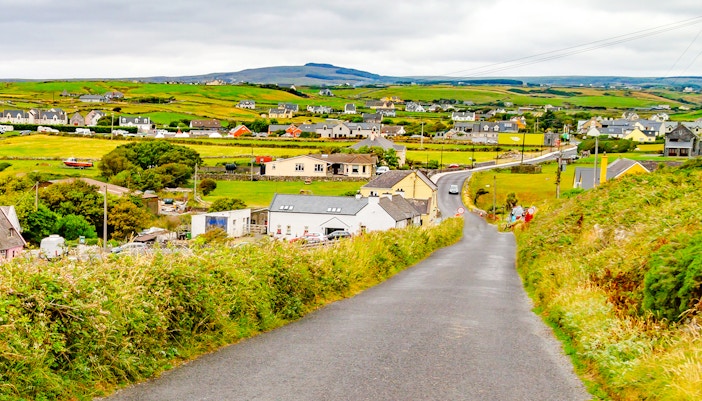
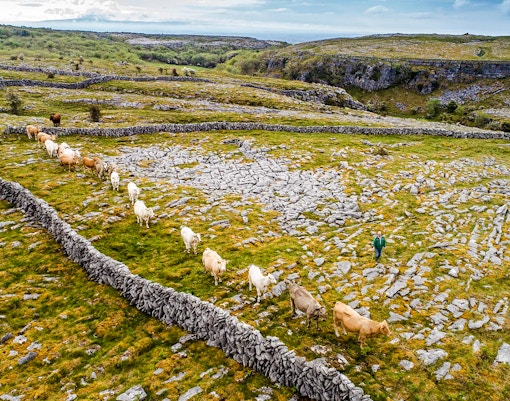
What it is: From the cliffs you can branch out into beautiful local villages (like Doolin or Liscannor), the limestone terrain of the Burren and hidden beaches.
Why it’s great: Extends the experience beyond just the cliffs and gives you a fuller day of exploring culture, scenery and local life.
Pro tip: If you have time, stay overnight in a village to experience local music and a slower pace.
Free & scenic highlights
Here are a few free or budget-friendly ways to enjoy the views:
Wander along the cliff paths and take in the Atlantic panorama (entry is free, though parking and facilities may cost a little).
Catch the sunset from quieter viewpoints like Hag’s Head, where the cliffs turn golden against the sea.
Head to nearby village beaches and coastal backroads for wide-open views that feel straight out of a postcard.
Seasonal and time-based experiences
Sunrise & sunset must-dos
Early risers catch the cliffs glowing in pink and gold as sunlight hits the Atlantic. Evenings are just as striking, and you can watch the sea fade to silver from Hag’s Head or O’Brien’s Tower while seabirds glide home across the horizon.
Best time to visit
Spring to early autumn brings calmer weather, lush green fields, and ideal walking conditions. April through June has nesting puffins, while September offers golden light and quieter trails. Midday in summer is busiest, so aim for mornings or evenings.
Summer vs winter activities
Summer suits long cliff walks, outdoor picnics, and boat cruises beneath the cliffs. In winter, strong winds and moody skies create dramatic coastal scenes—perfect for photographers, short hikes, and warming up afterward in nearby cafés or village pubs.
Special events & festivals
Plan visits around local highlights like the Doolin Folk Festival in June or Burren Winterage Weekend in October. These nearby gatherings celebrate Irish music, farming heritage, and coastal culture, turning your cliff visit into a deeper slice of Clare life.
Practical guide
Main Entry: Access the cliffs via Liscannor’s Visitor Centre entrance, closest to main viewpoints and facilities.
Parking Tip: Arrive before 10 am or after 4 pm to find easier parking during summer crowds.
Public Transport: Regular buses from Galway, Ennis, and Doolin stop near the Visitor Centre entrance.
Guided Tours: Opt for tours that include the Burren or Doolin for seamless travel and local insights.
Walking Routes: Hike from Hag’s Head to Doolin for scenic cliff edges and changing Atlantic views.
Stay on paths: Keep to marked trails and maintain safe distance from cliff edges, especially in strong winds.
Good footwear: Wear shoes with grip as paths can get slippery after rain or fog.
Drone rules: Drones are restricted in most areas; always check on-site notices before flying.
Wildlife respect: Watch puffins and seabirds quietly to avoid disturbing nesting sites.
Sun & shade: Carry water and sunscreen; there’s little natural shade along cliff trails.
Quick changes: Atlantic weather shifts fast, so always pack a waterproof layer even on clear days.
Best seasons: Spring and early autumn bring mild weather and excellent visibility for photos.
Winter access: Some upper trails close in winter winds, but lower paths stay open and calm.
Fog alternative: If fog hides the cliffs, visit Doolin or Lahinch for clearer coastal views.
Check forecast: Review official updates before long walks to avoid sudden rain or closures.
Step-Free Access: Main viewpoints and the Visitor Centre feature smooth, accessible pathways for all visitors.
Facilities Nearby: Accessible restrooms and reserved parking are available close to the entrance.
Mobility Rentals: Pre-book mobility scooters or wheelchairs from the Visitor Centre for convenience.
Shuttle Option: A seasonal shuttle links viewpoints during peak months for easier movement.
Trail Planning: Some routes are uneven, so plan ahead based on comfort and mobility needs.
Water & snacks: Bring a refillable bottle and small bites since food options beyond the Centre are limited.
Payment mix: Carry both cash and cards; smaller cafés may prefer one over the other.
Chargers ready: A portable charger helps keep phones and cameras powered through the day.
Layered clothing: Wear breathable layers and a windproof jacket for changing coastal weather.
Handy extras: Sunglasses, a hat, and a lightweight backpack make long walks easier and more comfortable.
Frequently Asked Questions about things to do at the Cliffs of Moher
A visit to the main Visitor Centre and nearby viewpoints usually takes about one to two hours. If you plan longer walks or add a boat cruise, allow three to four hours or more.
The main paths near the Visitor Centre are paved and easy to manage. Some extended trails are uneven or steep, so choose routes based on your group’s comfort level.
Walking beneath the cliffs is not possible for safety reasons. A boat cruise from Doolin offers the closest and safest view from sea level.
The cliffs themselves are free to access. Parking, Visitor Centre facilities, or optional boat tours may have separate charges.
Strong winds, fog, or rain can limit visibility and close certain trails. Always check local weather updates before setting out on longer walks.
Drone use is restricted in most areas. Always review on-site signage and follow regulations to protect wildlife and other visitors.
Focus on the Visitor Centre, the main viewing platforms, and one extra experience—either a short cliff walk or a boat cruise from Doolin.